



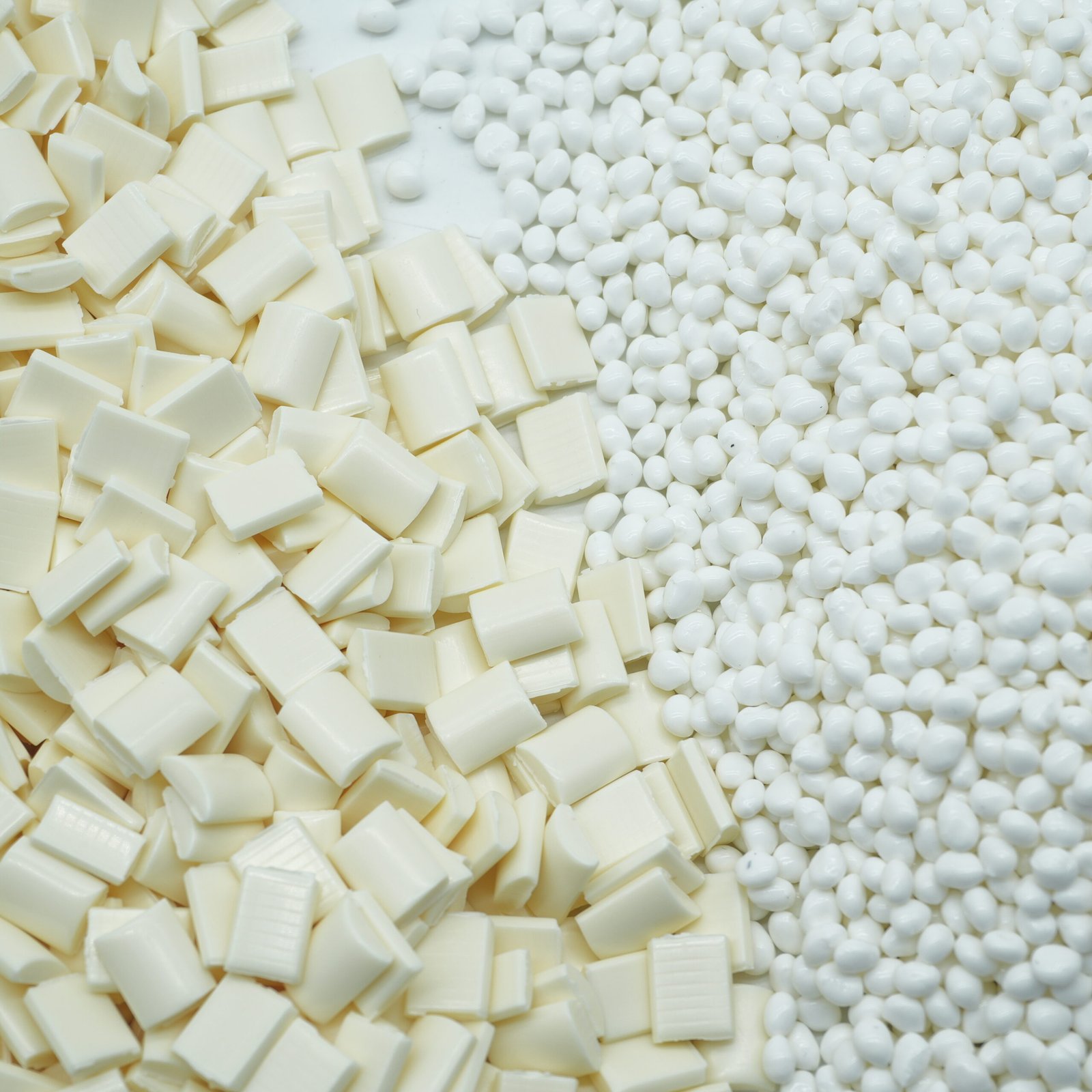
Best Glue for Book Binding: A Production-First Guide for Print and Bindery
Choosing the best glue for book binding is not a purchasing decision — it is a production decision. The adhesive you run on your perfect binding line determines how fast the machine can run, how many books fail inspection, how many come back from customers, and what your finished book actually costs per unit. Print shops that treat binding glue as a commodity usually learn this the hard way: a drum of cheap adhesive that saves 10% on material can quietly add 3% scrap, weekly downtime for charred glue pots, and a stream of page-loss complaints that no customer wants to hear.
This guide is written from the production floor, not the product catalog. It covers the glue families used in commercial book binding, the failure modes that cost you money, and the practical selection and testing steps that help you find the best glue for book binding for your specific machine, paper mix, and order profile.
Why the Adhesive Choice Drives Your Real Cost per Book?
The sticker price of book binding glue is the smallest part of its true cost. Three other factors matter more.
Scrap rate
A glue that bonds inconsistently — strong on one book, weak on the next — pushes reject rates up. Every rejected book carries the full cost of paper, printing, folding, gathering, and binding, with zero revenue at the end. A 1% difference in scrap across a 50,000-book order is 500 books of lost value.
Downtime
Adhesive that chars in the pot, clogs nozzles, or strings across the machine stops the line. Binding lines cost hundreds of dollars per hour when idle. A glue that requires constant re-tuning is not cheaper — it is the most expensive option on the market.
Customer returns
A book that loses pages after a month on the shelf comes back as a claim. Returns cost the replacement print, the shipping, the administration, and the relationship. For contract binding customers — publishers, schools, distributors — one bad batch can end the account.
When you evaluate the best glue for book binding for your shop, evaluate it against these three costs, not against price per kilogram.
The Three Glue Families Used in Book Binding
EVA Hot Melt Glue — The High-Volume Workhorse
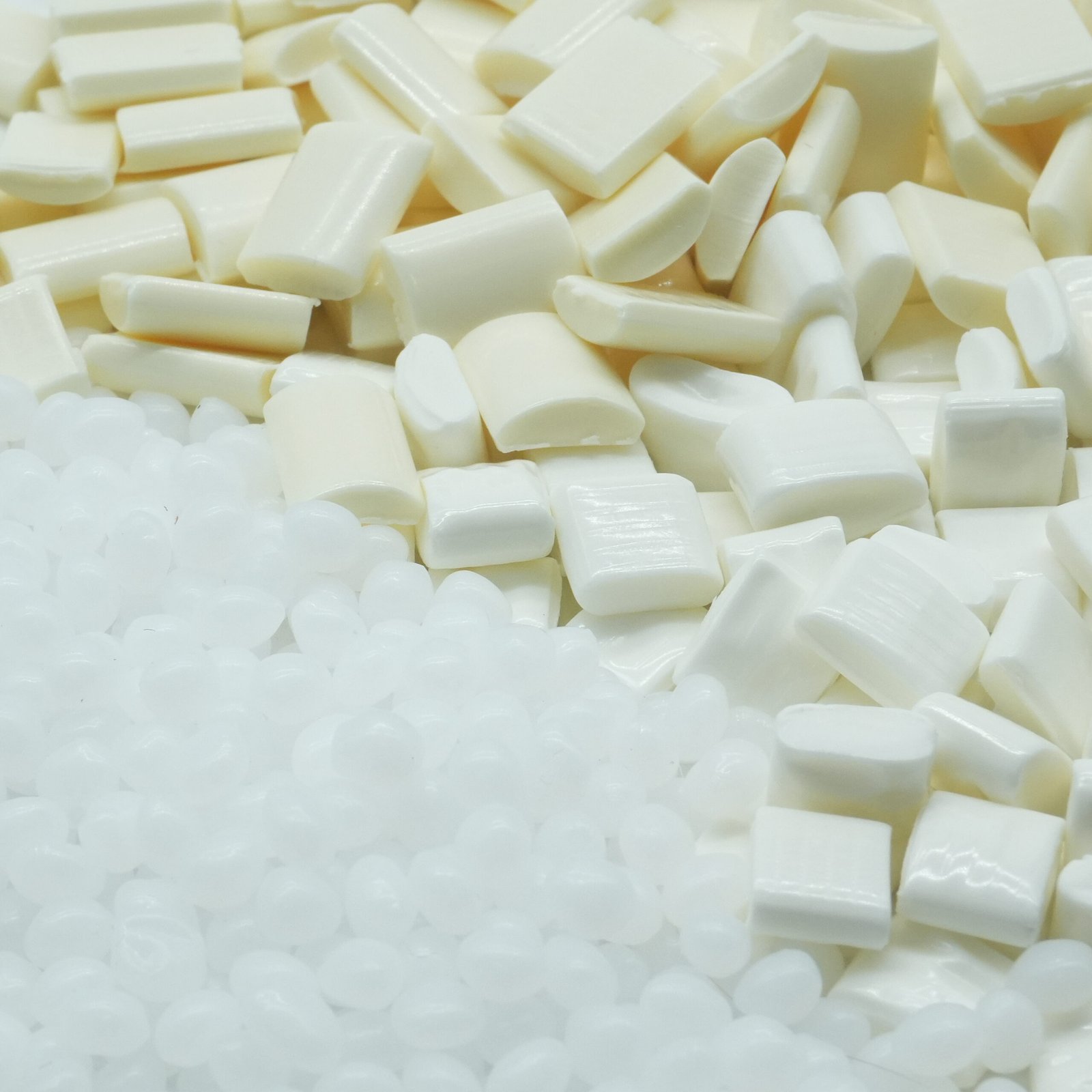
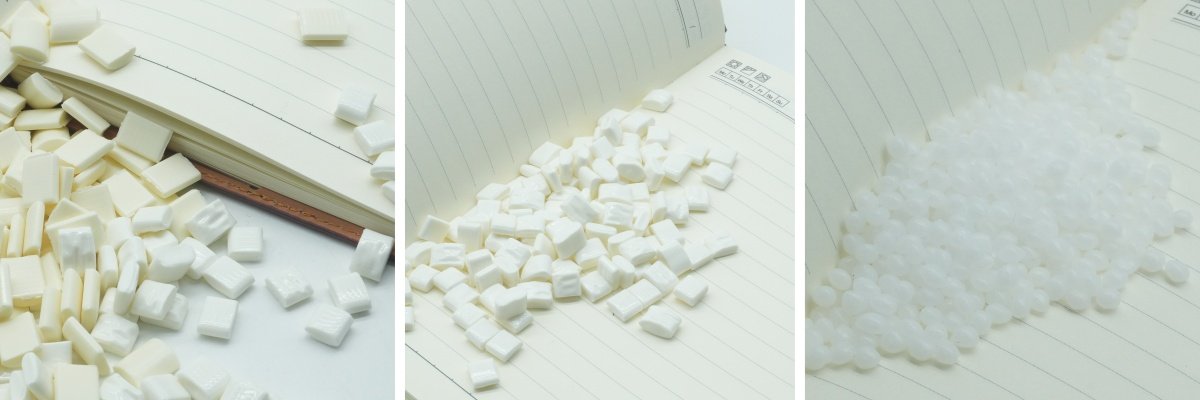
EVA (ethylene-vinyl acetate) hot melt is the standard adhesive for commercial perfect binding. It melts in the glue pot, is applied to the roughened spine, and sets by cooling within seconds. For most trade paperbacks, magazines, catalogs, and notebooks, EVA delivers the right balance of speed, cost, and adequate bond strength.
EVA advantages: fast setting, no curing wait, low cost per book, simple equipment, easy clean-up, and compatibility with virtually every automatic perfect binder. EVA limitations: limited heat resistance (softens above roughly 60–70°C), moderate water resistance, and brittleness in cold conditions, which shows up as spine cracking during winter shipping.
PUR Hot Melt Glue — The Premium Permanent Bond
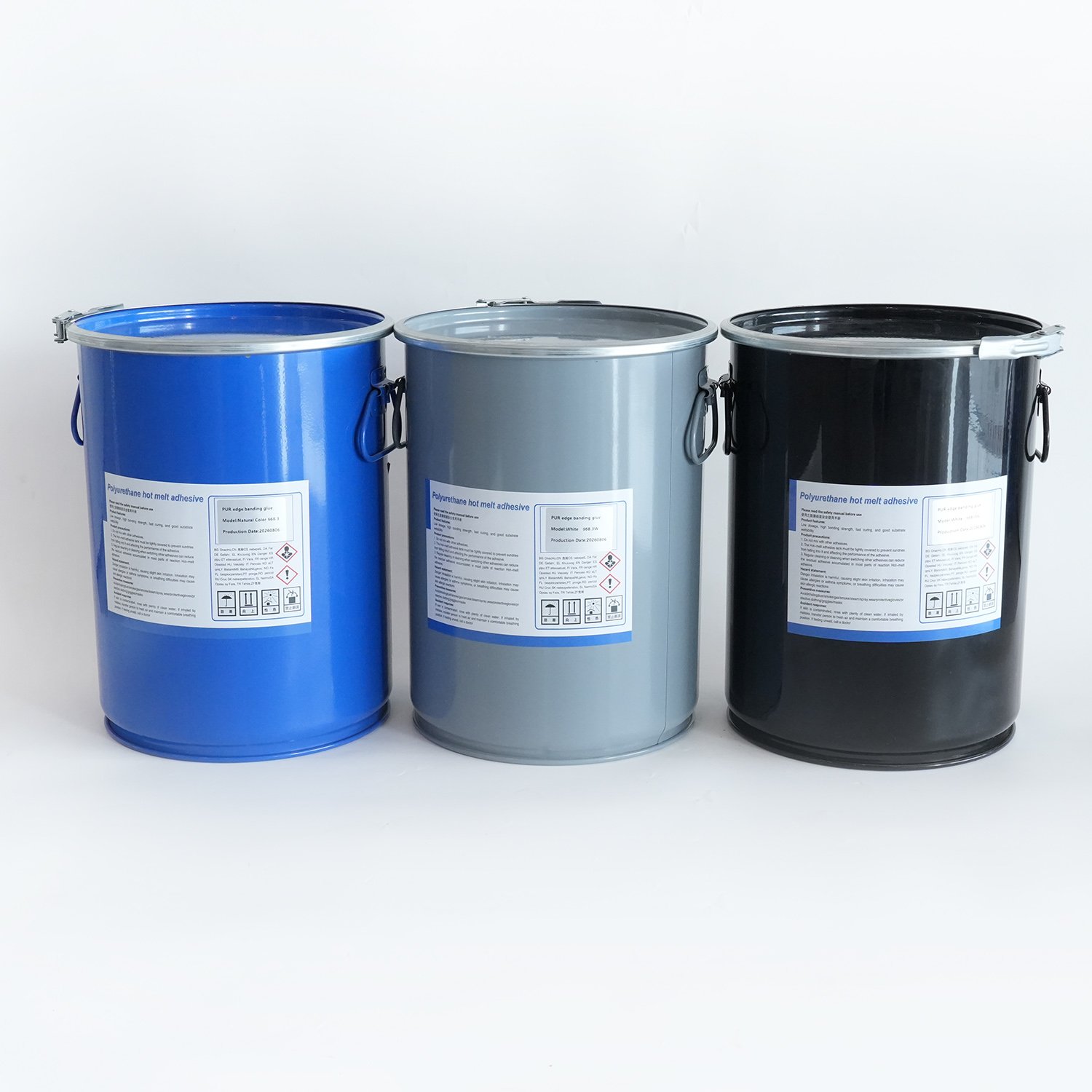
PUR (polyurethane reactive) hot melt cures by reacting with ambient moisture after application, forming a flexible, high-strength bond that cannot be re-melted. PUR is the best glue for book binding for premium editions, textbooks, manuals, art books, and any publication expected to survive heavy use.
PUR advantages: significantly stronger page pull, superior heat and moisture resistance, flexibility at low temperatures, and excellent performance on coated and art paper that defeats standard EVA. PUR limitations: requires dedicated sealed melting equipment, has a curing window (books should not be stressed or shipped before 24 hours), costs more per kilogram, and demands strict storage discipline because moisture degrades the raw pellets.
PVA — The Hand-Binding and Restoration Option
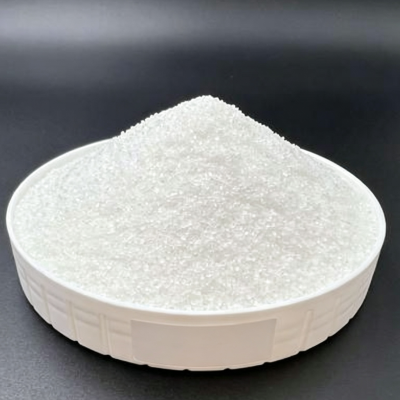
PVA (polyvinyl acetate) water-based adhesive is used in hand book binding, small-batch artisan work, case binding, and book restoration. It dries by water evaporation, offers a long open time, and cleans up with water. PVA is not suitable for high-speed perfect binding lines because drying is too slow, and it is not water-resistant.
Matching Glue to Production Environment
The best glue for book binding depends as much on how you produce books as on the books themselves.
High-speed inline production (10,000+ books per hour)
The priority is consistent open time and fast setting. EVA grades formulated for high-speed binders, with tight viscosity control, keep the line running at rated speed. A glue that sets too fast leaves weak bonds; one that sets too slow slows the entire line.
Mid-volume single-clamp and double-clamp machines
These machines tolerate a wider open-time window. Standard and premium EVA grades work well. The key is matching the glue’s open time to your clamp cycle time — the interval between glue application and cover nipping.
Premium and short-run production
When the order is small but the quality bar is high — art books, limited editions, library bindings — PUR is usually the best glue for book binding. The higher material cost is irrelevant at low volume, and the durability benefit protects a high-value product.
Hand binding and restoration
PVA remains the standard. It is forgiving, reversible with care, and appropriate for single-book work.
The Eight Parameters That Decide Bond Quality
Before you commit to any adhesive, review these parameters against your machine and paper. Each one has a direct effect on finished book quality.
Open time
How long the applied glue stays tacky before it skins over. Too short: weak cover bond. Too long: soft spines that deform in the stacker. Match it to your machine cycle.
Setting speed
How quickly green strength develops for trimming and stacking. EVA sets in seconds; PUR needs 24–72 hours for full cure.
Viscosity
Controls flow and penetration. Too high: stringing, thick glue lines, poor penetration. Too low: squeeze-out, skips, weak bond. Viscosity must match your pot temperature and roller system.
Initial tack
The grab strength right after pressing. Poor tack lets pages shift before the glue sets.
Page pull strength
The force needed to pull a page from the block. The ideal failure mode is fiber-tear — the paper tears before the bond releases, proving the glue is stronger than the paper.
Heat resistance
The temperature at which the bond softens. Critical for books shipped to hot climates or stored in warm containers.
Cold flexibility
Whether the cured adhesive cracks at low temperature. The cause of winter spine-cracking complaints.
Pot life
How long the melted glue stays stable at operating temperature before degrading. Short pot life means charring, viscosity drift, and more cleaning.
How Paper Stock Changes the Equation
Paper is the other half of the bond. The best glue for book binding on uncoated offset paper is not necessarily the best glue for book binding on heavy coated art paper.
Uncoated offset paper is porous and forgiving. Most EVA grades penetrate well and produce fiber-tear bonds. Watch for over-penetration on thin papers, which can soak pages and weaken them near the spine.
Light coated paper has a smoother surface that resists penetration. Premium EVA grades with enhanced wetting, or PUR, are recommended. Spine roughening must be deeper to expose fibers.
Heavy coated and art paper is the hardest stock to bind. The clay coating seals the surface and blocks standard EVA. Penetration-enhanced EVA or PUR is required, along with adequate roughing depth and higher glue temperature.
Recycled paper varies in fiber quality and filler content. Always run a trial before production. A glue that performs on virgin paper may behave differently on recycled stock.
The Failure Modes That Point to the Wrong Glue
When books start failing, the defects usually point back to the adhesive. Diagnosing these quickly saves money and keeps the line running.
Pages falling out: the most serious defect. Usually caused by insufficient penetration into the spine: too-short open time, wrong viscosity for the paper, or a glue grade not designed for coated stock.
Spine cracking in winter: brittleness at low temperature. Standard EVA hardens below 0°C. Flexible EVA or PUR solves this if cold-chain shipping is part of your business.
Glue stringing: threads of adhesive between the roller and the book block. Caused by viscosity that is too high for the application temperature, or by overheating. Check the actual pot temperature with a calibrated thermometer before changing glue.
Soft, deformed spines at the stacker: the glue has not set enough before trimming. Either open time is too long or setting speed is too slow for your line speed.
Cover delamination: the cover separates from the spine. Often a temperature or nipping pressure issue, but also a sign that open time ran out before the cover was nipped.
What to Ask an Adhesive Supplier Before You Buy?
A supplier that understands book binding production can answer these questions directly. The best glue for book binding is the one that matches your answers.
- What is the recommended open time at my application temperature?
- What is the pot life at my operating temperature?
- Does this grade perform on my paper mix — especially coated paper?
- What cold flexibility does it have? Will it survive winter shipping to my markets?
- Can you supply a Certificate of Analysis for each batch?
- Do you offer machine parameter sheets for my binder model?
- What is the sample and trial process before bulk ordering?
- How consistent is the grade between batches — what is your viscosity control range?
How to Trial Book Binding Glue Properly?
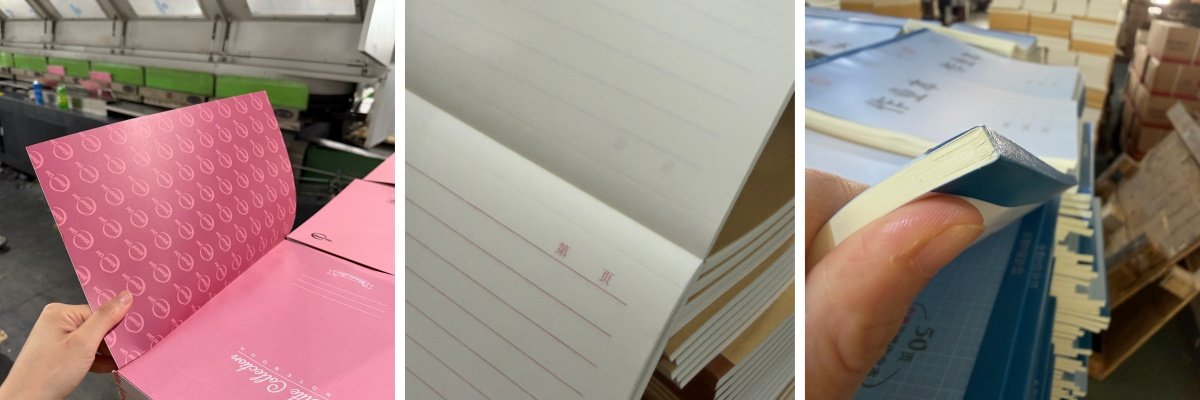
Never switch adhesives on a live customer order. Run a structured trial first.
- Small batch pull test: Bind 100–200 test books with your paper, your machine, your settings. Measure page pull force and inspect the failure mode — fiber-tear is the target.
- Temperature cycling: Leave test books in a hot environment and a cold environment, then open them repeatedly. Check for softening, cracking, and page loss.
- Humidity exposure: Store test books in a humid space for several days and re-test the bond. This matters for export orders and humid markets.
- Extended machine run: Run the glue for a full shift to observe stringing, charring, pot stability, and whether parameters drift as the pot heats.
- Record everything: Keep samples and data. This gives you a baseline to compare future batches and to hold your supplier accountable.
A proper trial takes a few days and costs a few rolls of paper — a fraction of the cost of a failed production run.
Sourcing The Best Glue For Book Binding
Finding the right adhesive supplier is as important as finding the right adhesive. The best glue for book binding comes from a manufacturer that tests every batch, publishes technical data, supports your machine setup, and works with you when your paper or product mix changes.
Look for suppliers with in-house formulation, batch-level quality control with Certificates of Analysis, retained samples for traceability, and technical staff who understand binding machinery — not just a trading company that resells drums. A manufacturer that offers free samples and machine parameter sheets lets you validate the glue on your own line before committing volume.
Shanghai Angmi New Material Co., Ltd. manufactures EVA and PUR book binding adhesives with batch-level testing and technical support.