



Bookbinding Glue
EVA and PUR Bookbinding Glue for Perfect Binding Lines
Bookbinding glue is the difference between a book that stays bound and one that generates returns. When pages fall out, spines bulge, or books crack in cold weather, the root cause is often an adhesive mismatch — wrong chemistry for the paper, wrong open time for the machine speed, or inconsistent batch quality.
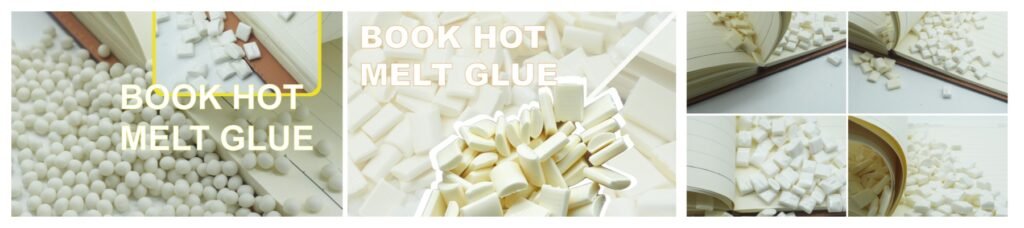
Our bookbinding glue is formulated specifically for automatic perfect binding, available in EVA hot melt and PUR reactive chemistries. EVA sets in seconds and runs on standard hot melt pots, making it the workhorse for trade paperbacks, textbooks, and catalogs. PUR forms a permanent moisture-cured bond with superior coated-paper adhesion and heat/water resistance, specified for premium editions, library binding, and heavy coated stock.
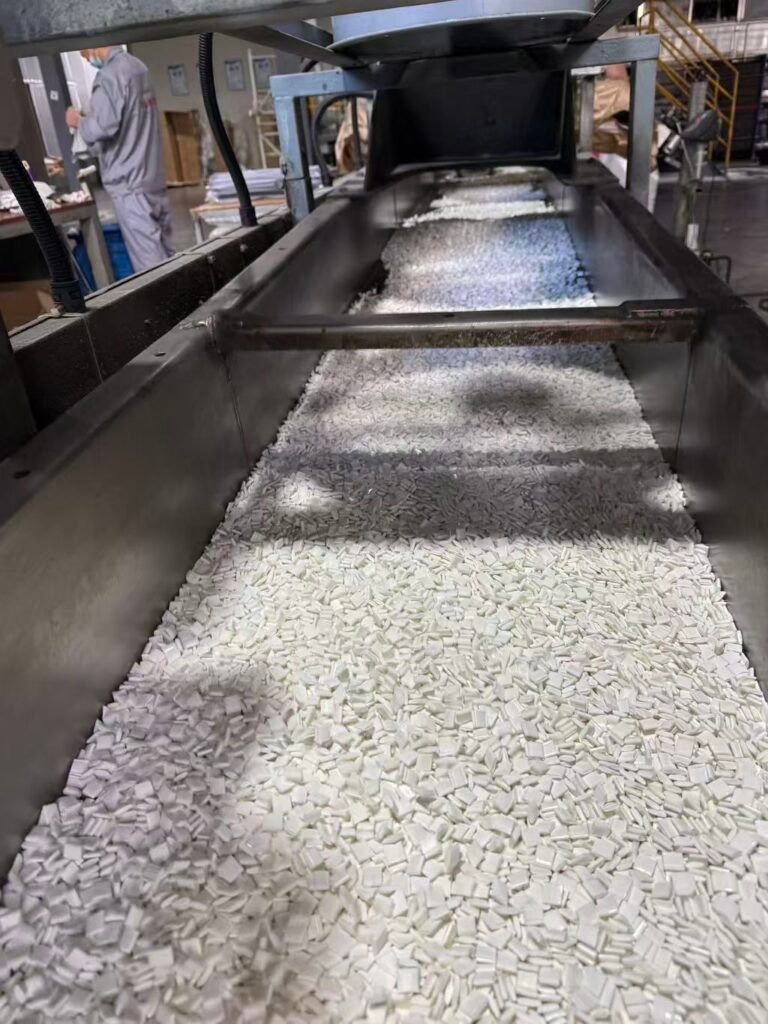
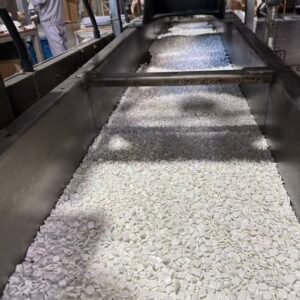
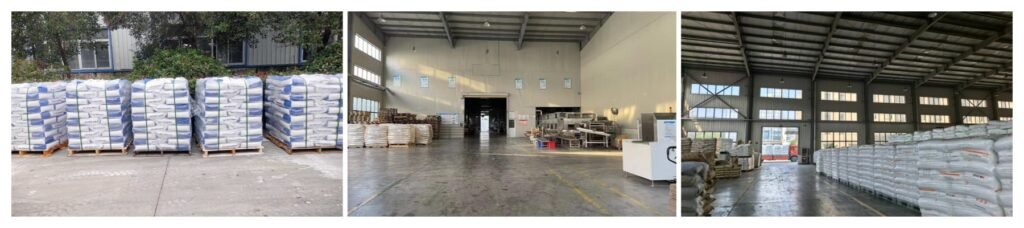
Every batch is produced in our own facility and tested against retained master samples before release. Whether you run a single-clamp binder for short runs or an inline system at 18,000 books per hour, there is a grade matched to your operation — and a technical team that will help you dial it in.
Available Grades
| Grade Type | Best For | Open Time | Page Pull (Uncoated) | Page Pull (Coated) | App. Temp |
| Standard EVA | Uncoated offset, trade paperbacks, textbooks | 8–15 sec | ≥12 N/cm | ≥6 N/cm | 165–175°C |
| Premium EVA | Uncoated + light coated, high-volume trade | 12–20 sec | ≥15 N/cm | ≥9 N/cm | 175–185°C |
| High-Copper EVA | Heavy coated, art paper, gloss covers | 18–30 sec | ≥14 N/cm | ≥14 N/cm | 180–190°C |
| Low-Temp EVA | Winter export, cold storage, outdoor distribution | 10–18 sec | ≥13 N/cm | ≥8 N/cm | 170–180°C |
| PUR Reactive | Premium books, coated paper, library binding | 60–90 sec | ≥18 N/cm | ≥16 N/cm | 120–140°C |
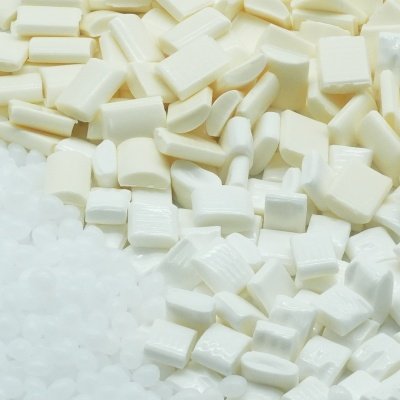
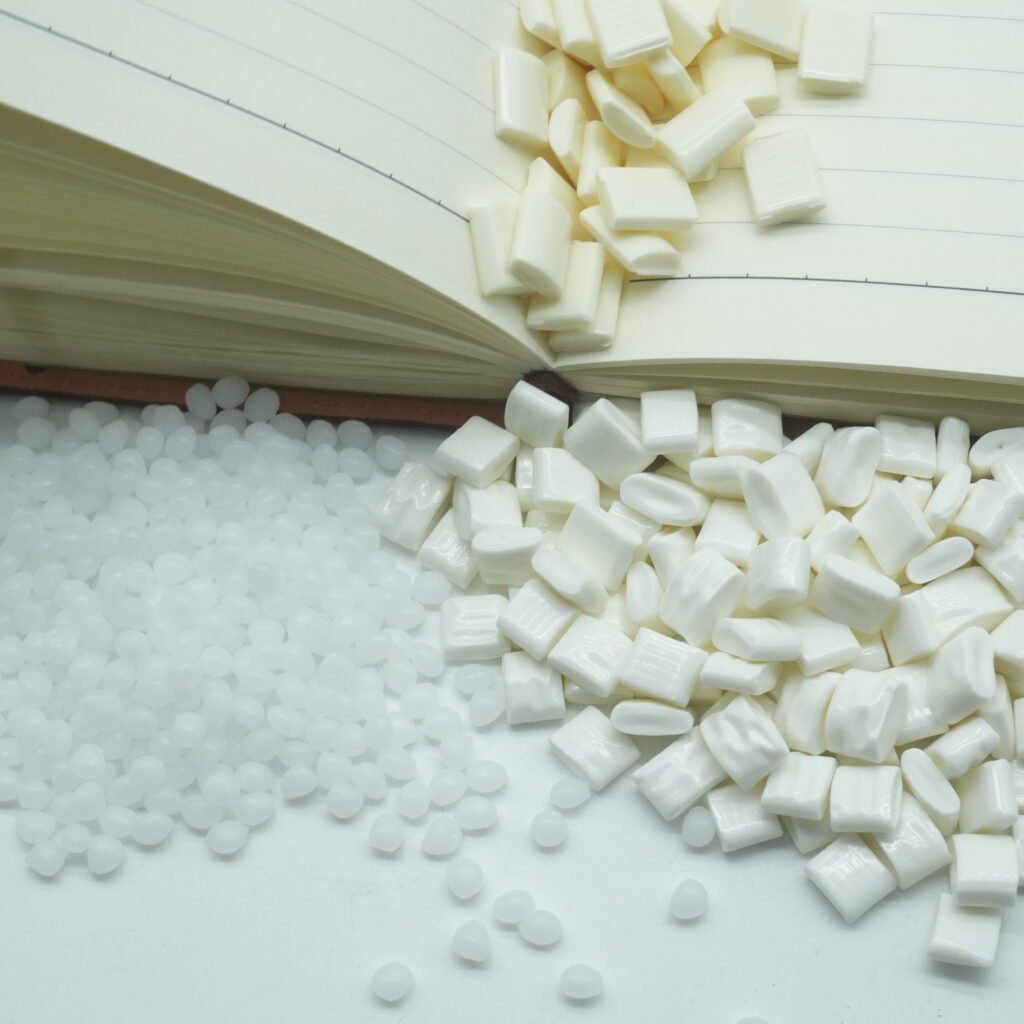
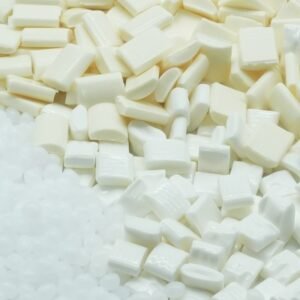
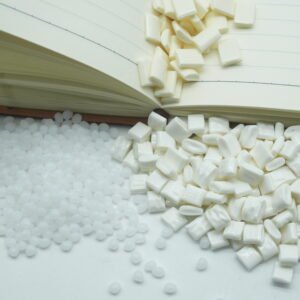
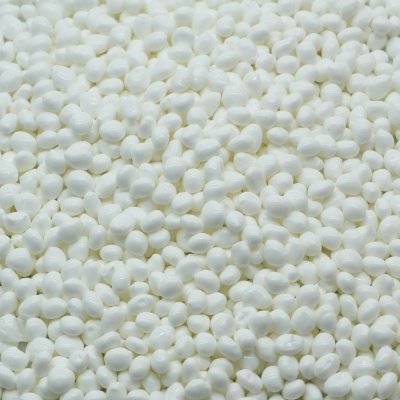
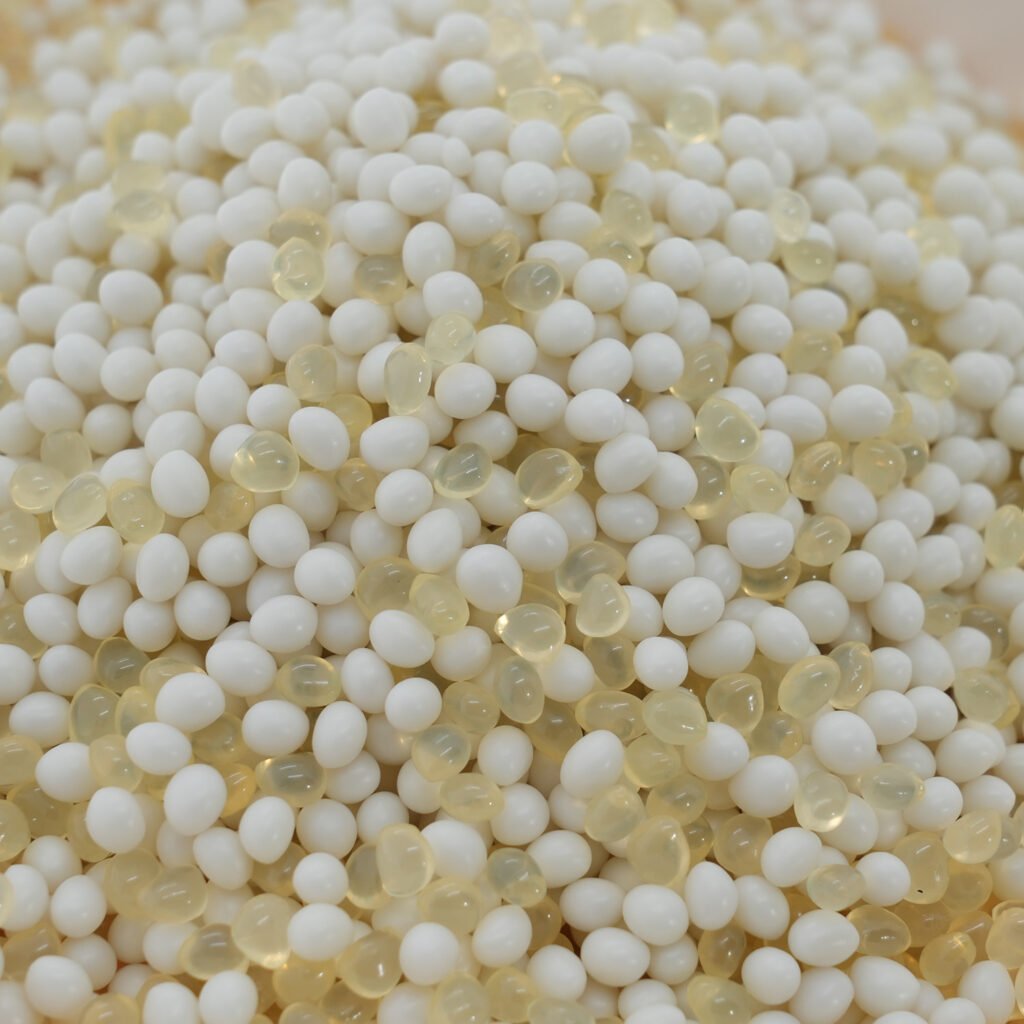
EVA grades are available in pellets, slats, and blocks to match your feeding system. PUR is supplied in 25kg moisture-proof foil bags and 310ml cartridges. Custom formulations — adjusted viscosity, open time, color, or flexibility — are available for dedicated production lines.
EVA or PUR — Which Is Right for Your Operation?
| Factor | EVA bookbinding glue
|
PUR bookbinding glue
|
| Bond type | Physical (re-meltable) | Chemical (permanent) |
| Coated paper performance | Fair to good (High-Copper grade) | Excellent |
| Heat resistance | 60–95°C | 120°C+ (cured) |
| Water resistance | Moderate | Excellent |
| Set / cure time | Seconds | 24–72 hours full cure |
| Equipment requirement | Standard hot melt pot | Dedicated PUR system |
| Cost per book | Lower | 2–3x EVA |
| Ideal for | Standard trade, high volume | Premium, coated, library, export |
Not sure which grade fits? Send us your paper stock, machine type, and book dimensions. We recommend the grade and ship samples for a no-cost trial on your line.
Why Our Bookbinding Glue Reduces Defects on Your Line?
Open Time Calibrated to Real Machine Cycles
Open time is the single most mismatched parameter in perfect binding, and it causes more weak bonds than any other factor. If the bookbinding glue skins over before the cover is nipped, the bond fails — even with a high-quality adhesive. If it stays fluid too long, the spine is soft at trimming and books deform in the stacker.
We formulate EVA grades across a 8–30 second open time range and PUR at 60–90 seconds, so you can match the adhesive to your actual clamp cycle rather than forcing your machine to run at an unnatural speed. Our technical team calculates your required open time based on clamp count, transfer distance, and line speed — no guesswork.
Page Pull Strength That Exceeds the Industry Minimum
Every bookbinding glue is tested per ASTM D4998 on standard uncoated and coated test blocks. Premium EVA delivers ≥15 N/cm on uncoated paper, above the 10 N/cm industry minimum. PUR delivers ≥16 N/cm on coated paper, where generic EVA typically falls below 8 N/cm.
More importantly, we test for fiber-tear failure — the bond should be stronger than the paper itself. When a page tears before the adhesive releases, you know the bond is correct. Adhesive failure (clean separation from paper) indicates a formulation or process problem, and we work with you to diagnose it.
Thermal Stability That Extends Pot Life
Adhesive held at operating temperature degrades over time — viscosity rises, tack drops, and carbonized particles form. Generic hot melts often show significant degradation after 24–36 hours in the pot. Our EVA bookbinding glue include thermal stabilizers that maintain consistent viscosity for 60–72 hours, reducing charring, nozzle clogging, and the amount of adhesive wasted during pot cleaning.
Batch-to-Batch Consistency You Can Rely On
Nothing stops a production line faster than a new drum of glue that behaves differently from the last one. Every production batch is tested for viscosity, softening point, open time, page pull, and color against a retained master. A Certificate of Analysis ships with every order, and retained samples are stored for 24 months. If a question arises, we can trace and compare the exact batch you are running.
Cold-Weather Flexibility for Export and Winter Production
Standard EVA becomes brittle below 0°C, which is why books shipped in winter or stored in unheated warehouses sometimes arrive with loose pages. Our Low-Temp EVA uses a flexibilized formulation that remains flexible to -15°C. PUR cures to a flexible film stable to -20°C. Both eliminate the page-loss claims that generic adhesive generates in cold months.
Applications
Trade paperbacks and mass-market books
Standard EVA delivers the cost and speed these high-volume titles require. Uncoated interior paper bonds reliably with 8–15 second open time on inline binders.
Textbooks and educational publications
Standard or Premium EVA depending on paper weight. Textbooks often use heavier uncoated stock and thicker blocks, where Premium EVA’s longer open time and higher tack improve penetration on dense paper.
Catalogs and magazines (light coated)
Premium EVA handles light coated stock at production speed, with sufficient tack to bond the coated cover while maintaining fast set for trimming.
Art books and heavy coated stock
High-Copper EVA for standard production, PUR for premium editions. Heavy coated paper requires longer open time and lower surface tension to wet out the clay coating. PUR is specified when the book will be laminated or case-bound after perfect binding.
Premium editions and coffee table books
PUR provides the permanent bond and heat resistance these high-value products demand. A premium book that loses pages after one reading destroys the brand’s reputation.
Library binding and durable editions — PUR is the standard for library binding, where books must survive years of repeated opening, photocopying, and environmental variation.
Cookbooks and humid-environment books
PUR’s waterproof cured bond resists kitchen humidity and occasional spills. EVA can absorb moisture over time and lose strength in these environments.
Winter export and cold-chain distribution
Low-Temp EVA bookbinding glue or PUR bookbinding glue prevents brittleness during shipping through cold climates. Books stacked against cold container walls are especially vulnerable.
Phone directories and thick blocks
Premium EVA’s longer open time allows the adhesive to penetrate a thick, dense block before setting, ensuring pages throughout the block are bonded, not just the surface.
Machine Compatibility and Process Setup
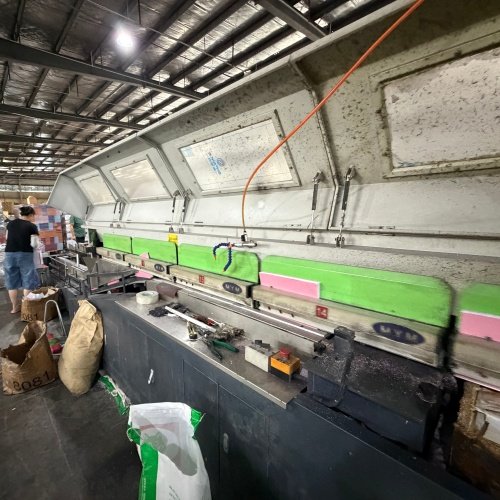
Our bookbinding glue runs on all major perfect binding platforms, including Muller Martini (Corona, Acoro), Heidelberg (Eurobind), Horauf, Biesse, SCM, and Chinese binders .
EVA process setup:Always check actual temperature of the glue pot using a calibrated thermometer as the machine’s display can be ±8°C inaccurate and a reading that is correct can be 10°C off. Applying 0.4 – 0.8 mm of spine glue on uncoated paper and 0.6 – 1.0 mm on coated paper; the minimum amount is the correct amount that still results in full fiber-tear bonds.
The thickness of the side glue is 0.2-0.4mm for uncoated stock, and 2.0-3.0mm for coated stock, the side glue should be roughened to 1.5-2.0mm on uncoated side or 2.0-3.0mm on coated side, so that any coating can be completely removed to expose paper fibers. The pressure of nipping should be 0.2-0.4 MPa, depending on the thickness of the block and the type of paper. In the winter or after coming from cold storage, warm up blocks to 25-35C. Clean glue pot every 200 hours of operation or when changing grades.
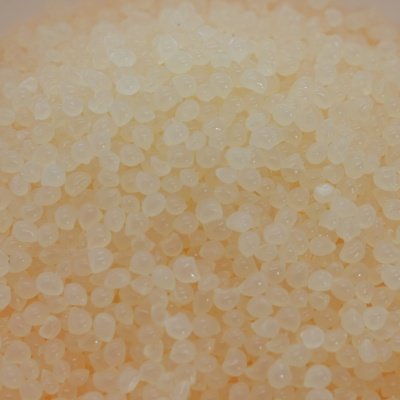
PUR process setup: Only use a separate PUR bookbinding glue pot. Adjust application temperature to 120-140°C and do not exceed 150°C as it will increase the moisture reaction and reduce pot life. Use a sealed lid or nitrogen blanket in bulk systems to prevent moisture from entering the system. PUR takes 24 hours to get to functional cure and 72 hours to cure, do not stress test, machine or ship internationally before 24 hours.
Volume customers receive machine-specific parameter sheets and on-site operator training to ensure the line runs at rated speed with minimum waste.
Consumption and Cost per Book
| Book Type | Spine Width | EVA Per Book | PUR Per Book |
| Trade paperback | 10–15 mm | 1.5–2.5 g | 1.0–2.0 g |
| Textbook | 20–30 mm | 3.0–5.0 g | 2.5–4.0 g |
| Catalog (coated) | 5–10 mm | 1.2–2.0 g | 1.0–1.5 g |
| Thick hardcover block | 30–50 mm | 4.0–7.0 g | 3.0–5.5 g |
Adhesive cost per book is determined by more than price per kilogram. Three factors drive total cost: consumption rate, defect rate, and downtime.
Consumption rate depends on glue viscosity, film thickness, and paper porosity. A higher-viscosity glue forces a thicker film and increases grams per book. Porous particleboard or uncoated stock absorbs more glue than dense coated paper. Calibrating the glue roller gap to the minimum that achieves fiber-tear bonds is the single most effective way to reduce consumption.
Defect rate is the hidden cost. A glue that costs 10% less but produces 2% page-loss rejects costs more per salable book than a premium glue at 0.3% rejects. Returns and reprints cost far more than the adhesive savings.
Downtime from inconsistent adhesive — re-tuning parameters, cleaning charred pots, stopping to diagnose weak bonds — costs more per hour than the adhesive itself. Consistent batch quality prevents unplanned stops.
We calculate your actual cost per book based on your machine, paper, book dimensions, and current defect rate — and show you where a grade upgrade pays for itself in reduced waste.
Ordering, Samples, and Lead Time
Samples: 2–5 kg per grade, free of charge. Customer covers shipping cost. Samples ship within 3 working days and include a Technical Data Sheet and machine parameter sheet tailored to your equipment.
MOQ: 100 kg for all grades, including custom formulations.
Lead time: 7–15 working days from order confirmation for custom production. Stock items often ship in 3–5 days.
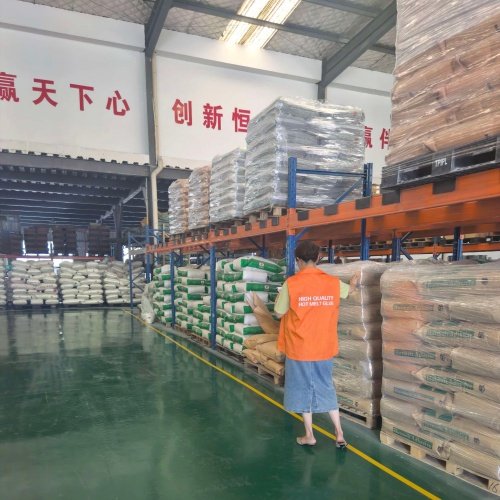
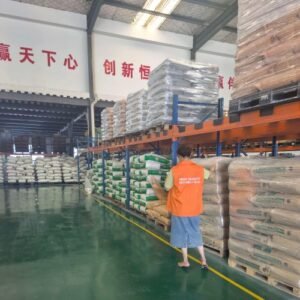
Packaging: EVA bookbinding glue in 25kg bags (pellets) . PUR bookbinding glue in 25kg moisture-proof foil bags or 310ml cartridges. Custom packaging available for volume customers.
Technical support: Grade recommendation, machine setup guidance, troubleshooting, and on-site support for volume customers. Technical inquiries receive a response within one working day.
FAQ
What is the best bookbinding glue for coated paper?
High-Copper EVA for standard production, PUR for premium or laminated books. Both use lower surface tension formulations to penetrate coated stock. Ensure spine roughing removes all coating (≥2.5 mm).
Can EVA be used for winter export?
Standard EVA becomes brittle below 0°C. Use Low-Temp EVA (flexible to -15°C) or PUR (flexible to -20°C) for cold-weather shipping.
How often should the glue pot be cleaned?
Every 200 operating hours for EVA, or when changing grades. PUR pots should remain sealed; full disassembly cleaning every 500 hours.
Can PUR run in an EVA glue pot?
No. Cross-contamination causes PUR to fail. PUR requires a dedicated glue system.
How much glue is used per book?
1.5–7.0 grams depending on spine width, paper type, and glue chemistry. See the consumption table for typical values.
What is the shelf life?
EVA bookbinding glue: 24 months sealed. PUR bookbinding glue: 12 months sealed; use within 48 hours of opening due to moisture sensitivity.
Is the glue suitable for children’s books?
Yes. EVA grades are non-toxic and REACH/RoHS compliant. Additional certification available on request.
How quickly can I receive samples?
Samples are free (customer covers shipping) and ship within 3 working days. Include your machine type and paper stock for a grade recommendation.
Ready to Source Bookbinding Glue That Stays Bound?
Page loss, spine defects, and cold-weather returns are preventable with the right bookbinding glue and setup support. We supply EVA and PUR bookbinding glue to print shops and binderies across North America, Europe, the Middle East, and Southeast Asia — with technical support from trial through full production.
Send us your machine type, paper stock, book dimensions, and monthly volume. We will recommend the correct grade, ship free samples (customer covers shipping), and quote pricing — within one working day.
Contact Us for Samples and Pricing
WhatsApp: +86-13681945604
Email: emily.gu@angmigroup.com


Reviews
There are no reviews yet.