



When Binding Book Glue Fails: Understanding Weak Spine Adhesion
Final inspection does not always mean that a book is ready for transportation and repeated handling without loose pages or spine cracks. In the commercial printing and bookbinding sectors, binding book glue failure can result in rework, rejection, customer complaints and wasted glue.
Sometimes, the issue is not the adhesive. The final bond can be influenced by paper characteristics, preparation of the spines, temperature of the adhesive, viscosity of the adhesive, application of the adhesive, and the speed of the machine.
Suppose, for instance, that a production line makes 6,000 books per hour and a defect rate of 0.5% is possible, this implies that approximately 30 books will be defect per hour.Therefore, when the bookbinding adhesive fails, the most important thing to consider is not only its strength. It is:
What is the reason for this weak bond and where is the problem starting in the manufacturing process?
1. The Glue Is Not Always the Problem
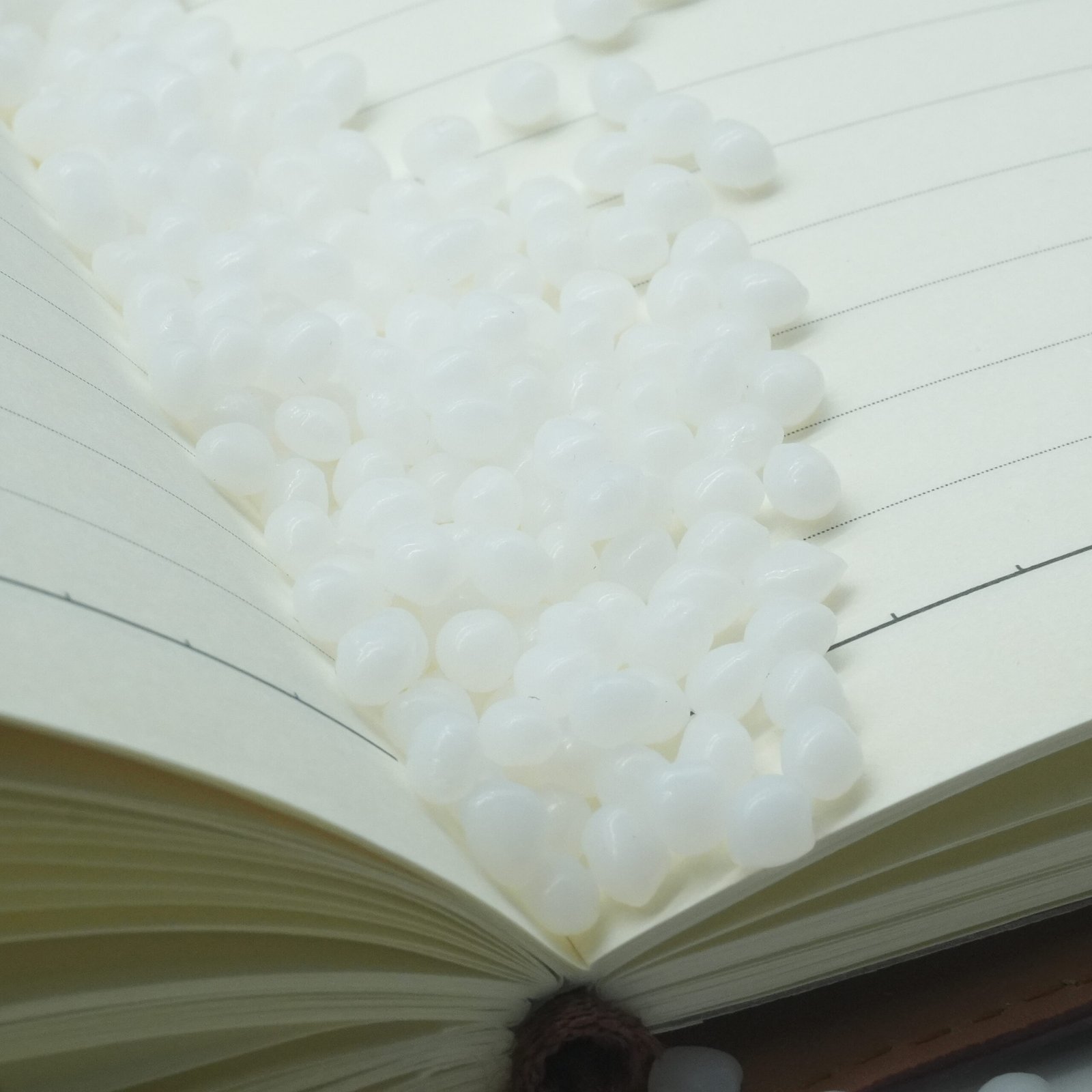
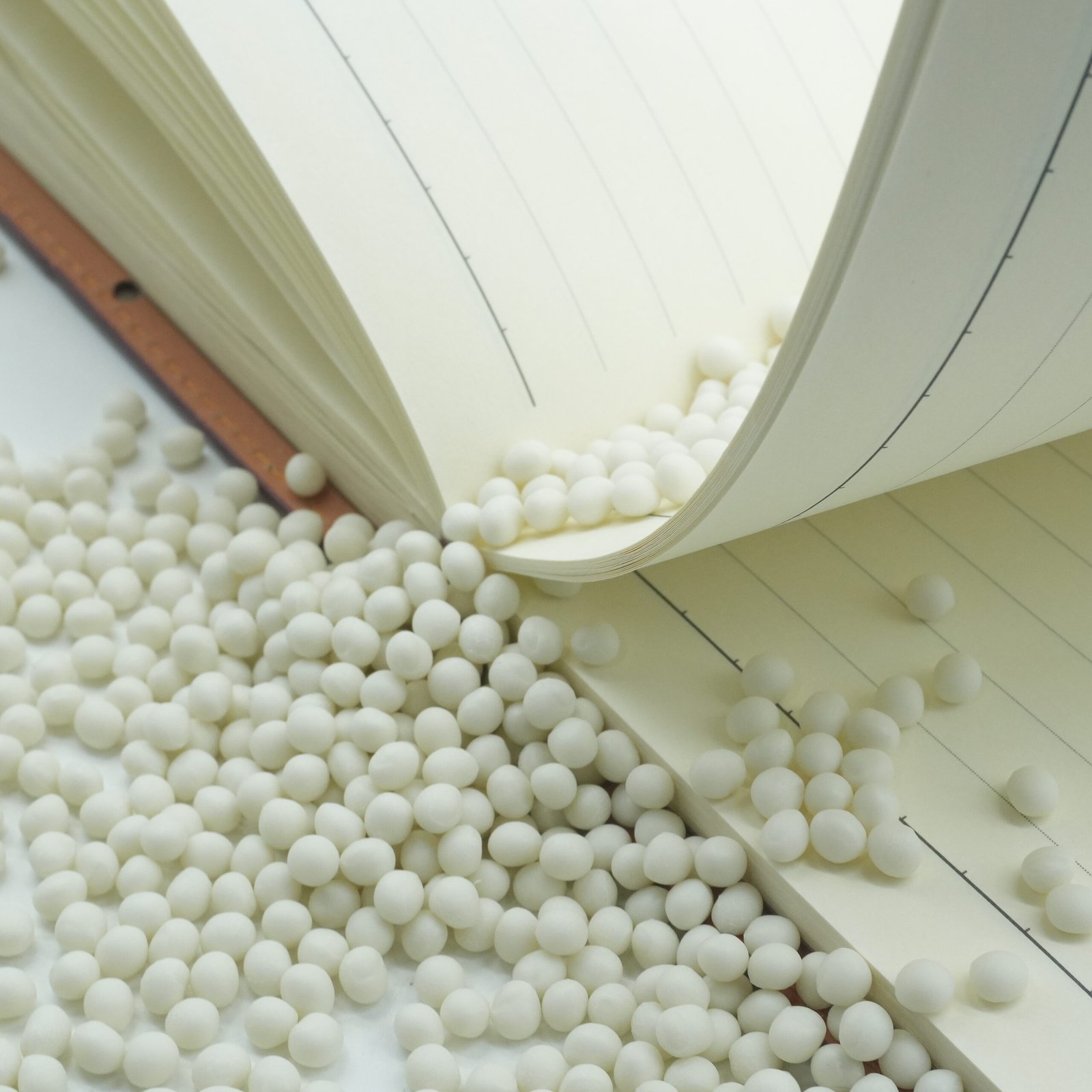
When a book starts showing weak spine adhesion, the first reaction is often to blame the binding book glue. In production, however, the adhesive is only one part of the bonding system. Paper characteristics, spine preparation, application temperature, and machine settings can all affect the final result.
Consider spine milling. The process exposes paper fibers so the adhesive can form a stronger bond. If too much paper dust remains after milling, the adhesive may bond to loose particles instead of the prepared paper surface. The book may look fine when it leaves the binding line, yet weak spots can appear during opening, transportation, or later handling.
This also explains why the same binding book glue can perform differently when the paper stock or production conditions change. A new coated paper, inconsistent milling, or poor dust removal can change the bonding surface without any change to the adhesive itself.
One practical way to identify the cause is to examine the failure surface. If paper fibers remain attached to the adhesive after separation, the failure may be occurring within the paper structure. If the adhesive separates cleanly from the paper, surface preparation, wetting, or adhesive compatibility may need closer attention.
Before increasing glue application or changing the bookbinding adhesive, check the bonding surface first. More glue cannot compensate for a poorly prepared spine.Before changing your Binding Book Glue, first check what the adhesive is actually bonding to.
2. Poor Glue Penetration Can Create a Weak Spine
A visible layer of binding book glue on the spine does not necessarily mean the adhesive has formed a strong bond. What matters is how well the adhesive wets and interacts with the prepared paper surface.
This is especially significant if the viscosity of the adhesive does not match well with the production process. The adhesive may be too thick and will not be evenly distributed in the prepared spine. Too fluid may cause penetration too deep or a non-uniform adhesive layer (depending on paper and application system).
There is a difference in paper structure as well. The amount of adhesive that a porous uncoated paper can absorb can be different to that of a dense uncoated paper. Therefore, even if a machine’s temperature is not altered, the same binding book glue may yield varying bonding results.
A simple comparison can help identify the problem. Take books produced with the same adhesive but different paper stocks, then examine the adhesive layer after separating the book block. A relatively uniform adhesive layer with good paper-fiber transfer indicates a different bonding condition from a clean adhesive film that separates easily from the paper surface.
This is why increasing glue application is not always the answer. If the adhesive is not wetting or interacting with the paper properly, adding another layer may increase consumption without solving the weak bond.
For commercial bookbinding, the goal is not simply to put more binding book glue onto the spine. It is to achieve the right combination of viscosity, wetting, penetration, and adhesive-layer uniformity for the actual paper and production process.
3. Incorrect Adhesive Temperature Can Change the Entire Process
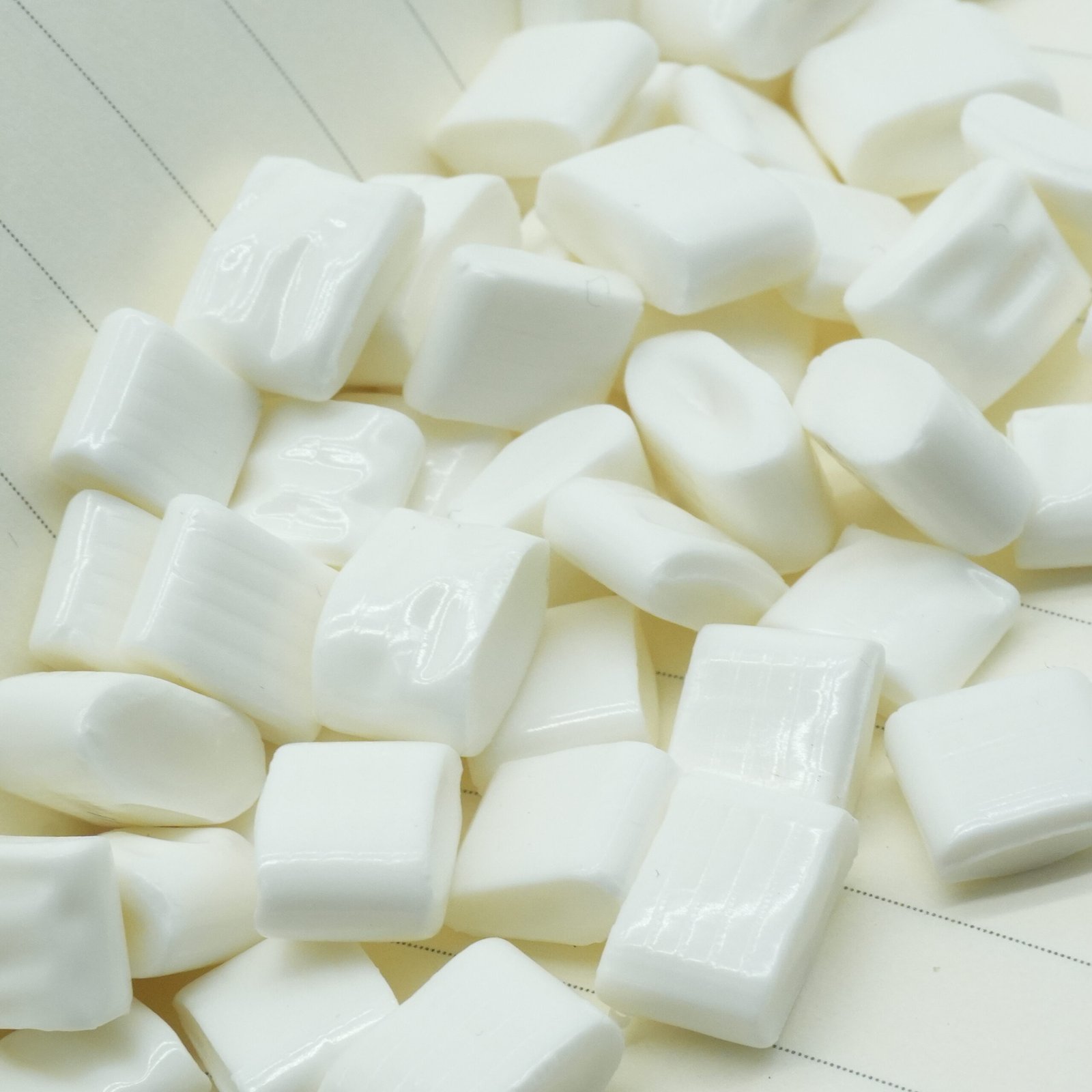
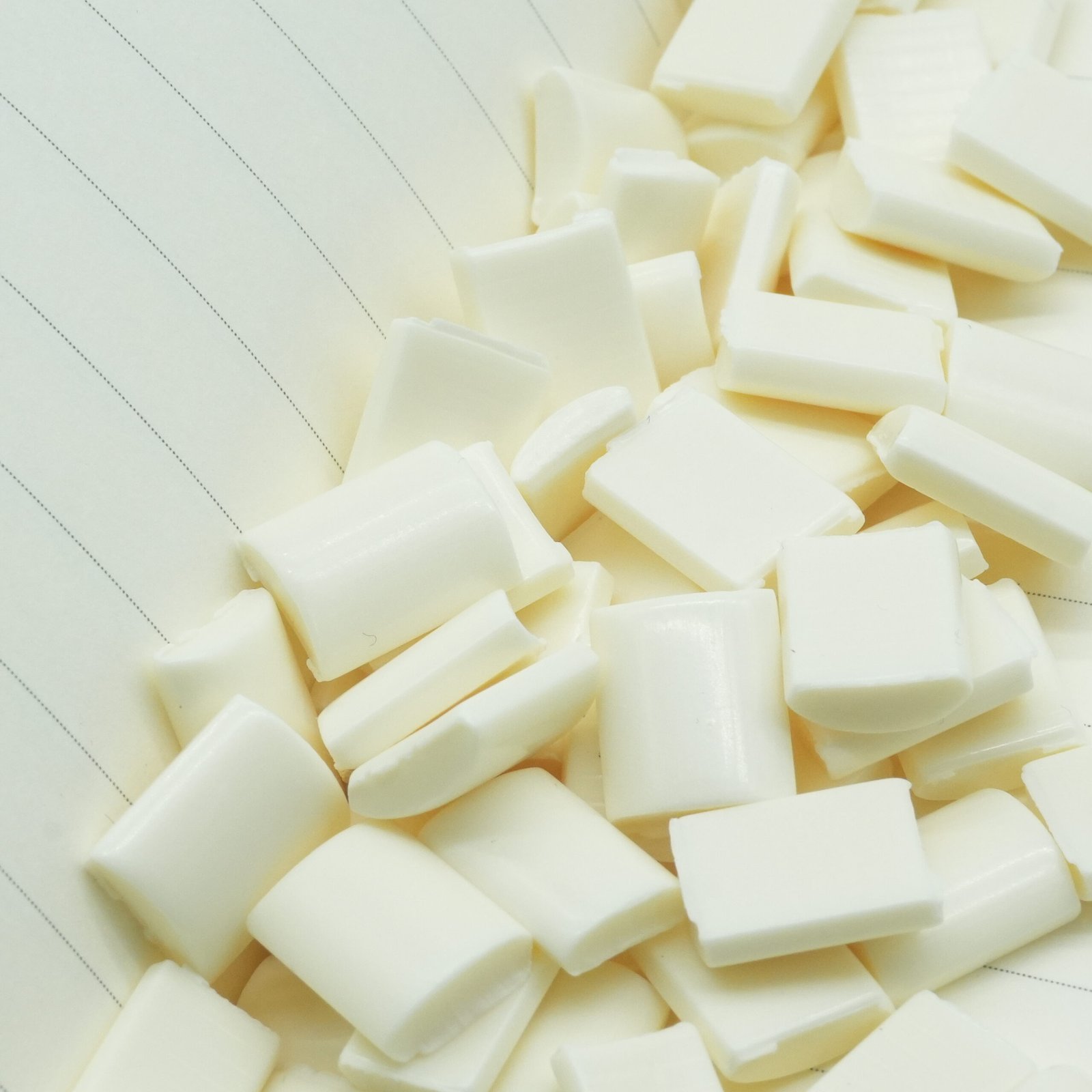
Temperature can change how binding book glue behaves long before a quality problem becomes visible on the finished book. A machine may display the correct setting, yet the adhesive at the actual roller or nozzle can be at a different temperature because of heat loss, equipment condition, or uneven heating.
For example, one commercial bookbinding hot melt technical sheet specifies an application range of 160–175°C. This should not be treated as a universal setting for every Binding Book Glue, but it shows how closely adhesive performance can depend on the formulation’s recommended processing window.
When the temperature is too low, the adhesive can become more viscous and may not spread evenly across the spine. This can reduce wetting and create areas with insufficient adhesive coverage. At the other extreme, running a hot melt above its recommended range for extended periods can affect thermal stability and may contribute to stringing, deposits, or changes in viscosity.
The important point is that temperature should be evaluated together with adhesive behavior. If book binding glue suddenly becomes harder to spread, produces more strings, or leaves an inconsistent glue film, checking the actual temperature at the application point can provide a useful clue.
For production teams, the machine display is only one reference. The more useful question is whether the adhesive is actually reaching the recommended processing temperature at the point where it is applied.
4. Why Does the Same Binding Book Glue Work on One Paper but Fail on Another?
A production line may run smoothly for weeks, then start producing weak spines after the paper stock changes. The binding book glue is the same and the machine settings may be unchanged, but the bonding result is different.
Paper surface properties can make a significant difference. Coated, glossy, heavily printed, and uncoated papers have different levels of porosity and surface characteristics, which affect how the adhesive wets and bonds to the spine.
For example, if a line’s first-pass acceptance rate falls from a hypothetical 98% to 94% after switching paper, the change is worth investigating before simply increasing glue application. The new paper may require different adhesive wetting or penetration behavior.
This is one reason PUR binding book glue is often used for demanding substrates. Its reactive bonding mechanism can provide strong adhesion where conventional hot melt systems may face greater challenges.
When paper specifications change, the adhesive process may need to be reviewed as well. The problem is not always that the glue has become weaker, the paper has simply changed the conditions the adhesive needs to work in.
5. High-Speed Production Can Expose an Adhesive Problem
A binding book glue that performs well at a normal production speed can behave differently when a bookbinding line is pushed faster. The change may seem small on paper, but it reduces the time available for the adhesive to spread, wet the spine, and develop its initial bond.
For example, increasing production from 6,000 to 8,000 books per hour reduces the average cycle time from about 0.60 to 0.45 seconds per book. That shorter window can expose problems that were not noticeable at a lower speed, particularly when the adhesive’s setting behavior or viscosity is not well matched to the line.
Operators may see symptoms such as uneven glue coverage, stringing, weak spine adhesion, or covers that do not bond consistently.This doesn’t have to mean that the binding book glue is bad. The adhesive may just have to function in a more limited time frame at higher speeds.
The most helpful test for high volume manufacturers is, therefore, not only to see how well the adhesive will bond in the lab, but also how well it will bond in the manufacturing environment. Whether it is stable at the actual production speed, temperature, paper and application conditions.
6. More Binding Book Glue Does Not Automatically Mean a Stronger Book
When a book spine feels weak, adding more binding book glue may seem like the quickest fix. But a thicker glue layer does not automatically create a stronger bond. If the adhesive is not wetting the paper properly or the spine surface is poorly prepared, simply increasing the amount can add cost without addressing the real problem.
In fact, some commercial comparisons show that less adhesive can still deliver strong binding performance. One industry comparison reported approximately 10–12 ml of PUR adhesive versus 25–35 ml of EVA in a specific perfect-binding application, while PUR also achieved more than 1,000 flexes in testing.
The exact glue consumption depends on the book thickness, paper, machine, and adhesive formulation, so these figures should not be treated as universal settings. They do, however, demonstrate an important point: adhesive quantity and bonding performance are not directly proportional.
For manufacturers, the better target is a consistent adhesive layer that provides sufficient wetting, penetration, and bonding without unnecessary buildup. Excess book binding glue can increase cooling time, cause squeeze-out, affect spine appearance, and raise material consumption.
7. Why Does the Spine Crack After the Book Has Already Bonded?
A book can leave the binding line with strong initial adhesion and still develop cracks in the spine later. The reason is simple: bond strength and flexibility are not the same thing.A book is not a static product. It is opened, closed, bent, stacked, transported, and sometimes exposed to changes in temperature and humidity. If the adhesive forms a strong but relatively rigid bond, the spine may not tolerate repeated movement as well as expected.
This is one reason PUR binding book glue is often used for applications where flexibility and long-term durability matter. In one industry-reported comparison, PUR-bound books exceeded 1,000 flexes during testing while maintaining strong binding performance.
The number itself is not a universal performance guarantee. Actual results depend on the binding book glue formulation, paper, spine preparation, and production conditions. What it does show is that a bookbinding adhesive should not be judged only by how strongly it holds the book immediately after production.
If a book passes the initial pull test but begins cracking after repeated opening, the issue may be less about initial adhesion and more about the flexibility of the adhesive bond.A strong spine should not only hold the book together—it should move with the book.
8. Why Can Changing from EVA to PUR Change Production Results?
It is not a simple substitution of one binding book glue with another to change from EVA to PUR. The two adhesive systems have different characteristics when they are applied and once they are bonded, and a production line can be required to make changes between the two.
EVA bonds initially during cooling of the product, and PUR bonds continue to form after application. This variation may be a factor in the properties of the adhesive during production, especially if the paper type changes, the line speed is increased or the finished book must have more flexibility.
For example, PUR is often used where stronger long-term bonding or better performance on difficult substrates is required. However, its advantages do not mean that every production line can switch from EVA without adjustment. Melting conditions, application equipment, handling, and curing conditions all need to be considered.
The important point is that adhesive performance should be evaluated together with the production process.Changing the adhesive can change the process—not just the binding book glue.
9. When Is It Time to Test a Different Binding Book Glue?
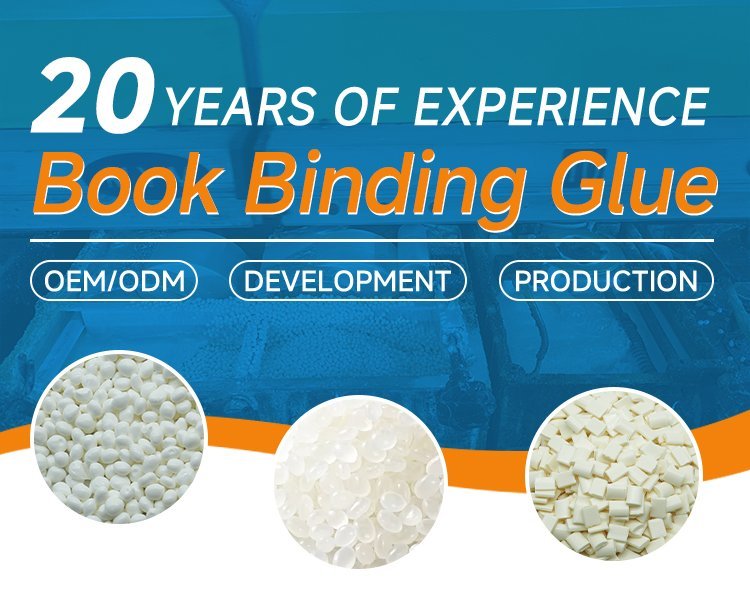
Not every bonding problem means the binding book glue needs to be replaced. If the problem appears after a change in paper, machine speed, or application conditions, correcting that variable may be enough.
The situation is different when the production conditions have been stabilized but the same failure continues. If weak spine adhesion appears repeatedly across different batches, or a new paper stock consistently produces poor results with the existing book binding glue, it may be time to test another formulation.
This is where sample testing under actual production conditions becomes valuable. Rather than relying only on a technical datasheet, manufacturers can evaluate the adhesive with their own paper, equipment, application temperature, and production speed.
At Shanghai Angmi New Material Co., Ltd., the development process can follow:
Sample Testing → Formula Confirmation → Trial Order → Bulk Production → Continuous Supply
The process can also start with the customer’s application requirements and production conditions, and based on this, the formula will be adjusted and then tested with samples before the bulk production, for customized binding book glue.
10.Final Thoughts
A bookbinding problem does not always mean you need a stronger adhesive. In many cases, the real cause can be traced to the interaction between the paper, spine preparation, application conditions, machine speed, and adhesive chemistry.
For manufacturers, the most reliable way to evaluate binding book glue is to test it under the conditions where the books are actually produced.
With more than 20 years of experience in EVA and PUR hot melt adhesive development and manufacturing, Shanghai Angmi New Material Co., Ltd. supports bookbinding manufacturers with adhesive selection, sample testing, formulation adjustment, and production trials.
Whether the challenge is weak spine adhesion, difficult coated paper, high-speed production, excessive glue consumption, or switching from EVA to PUR, the right starting point is the same:
Understand the production problem first. Then match the adhesive to it.Need to test a binding book glue for your production line? Contact our technical team for sample testing and application evaluation.