



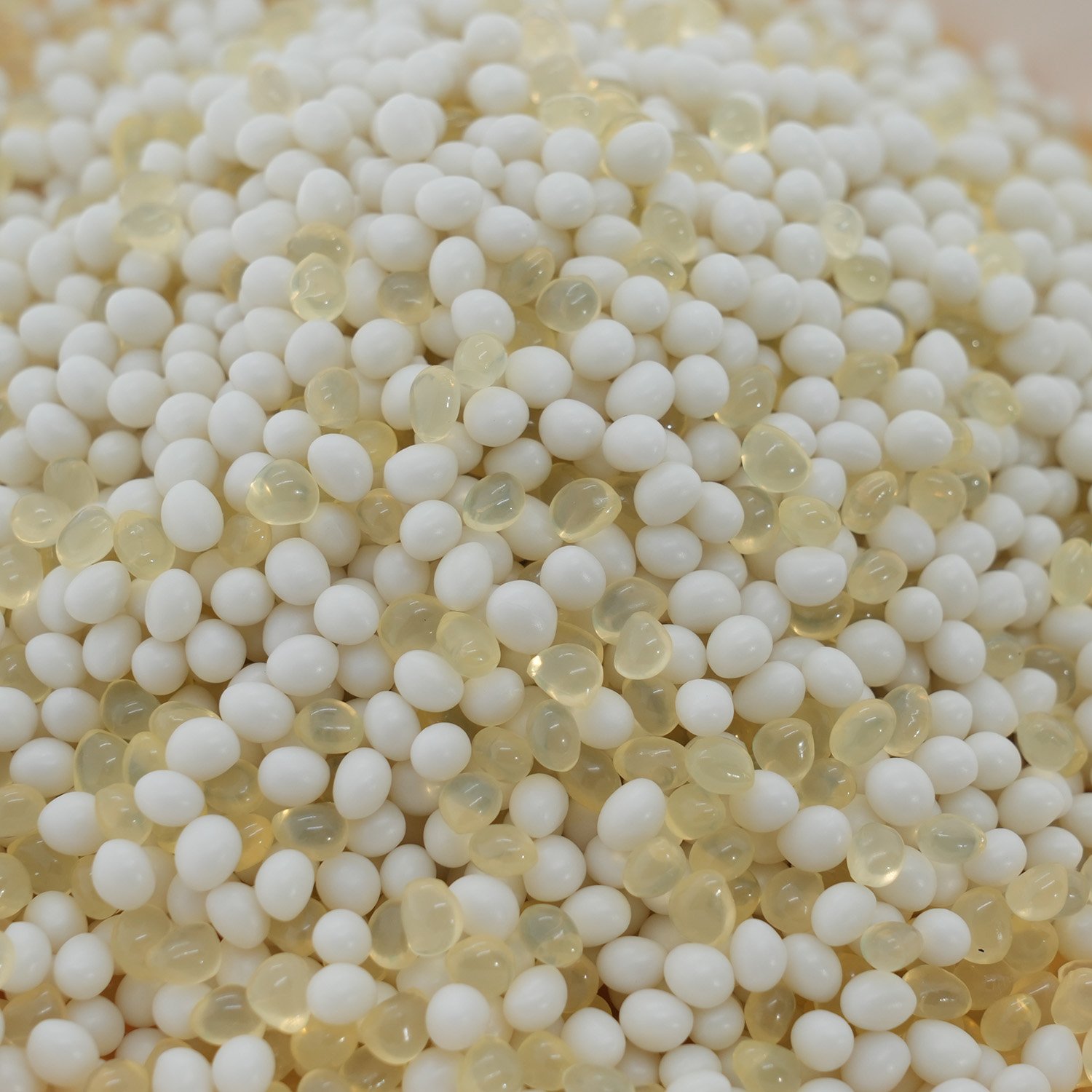
Edge Banding Glue
Hot Melt Adhesives for Furniture Edge Banding
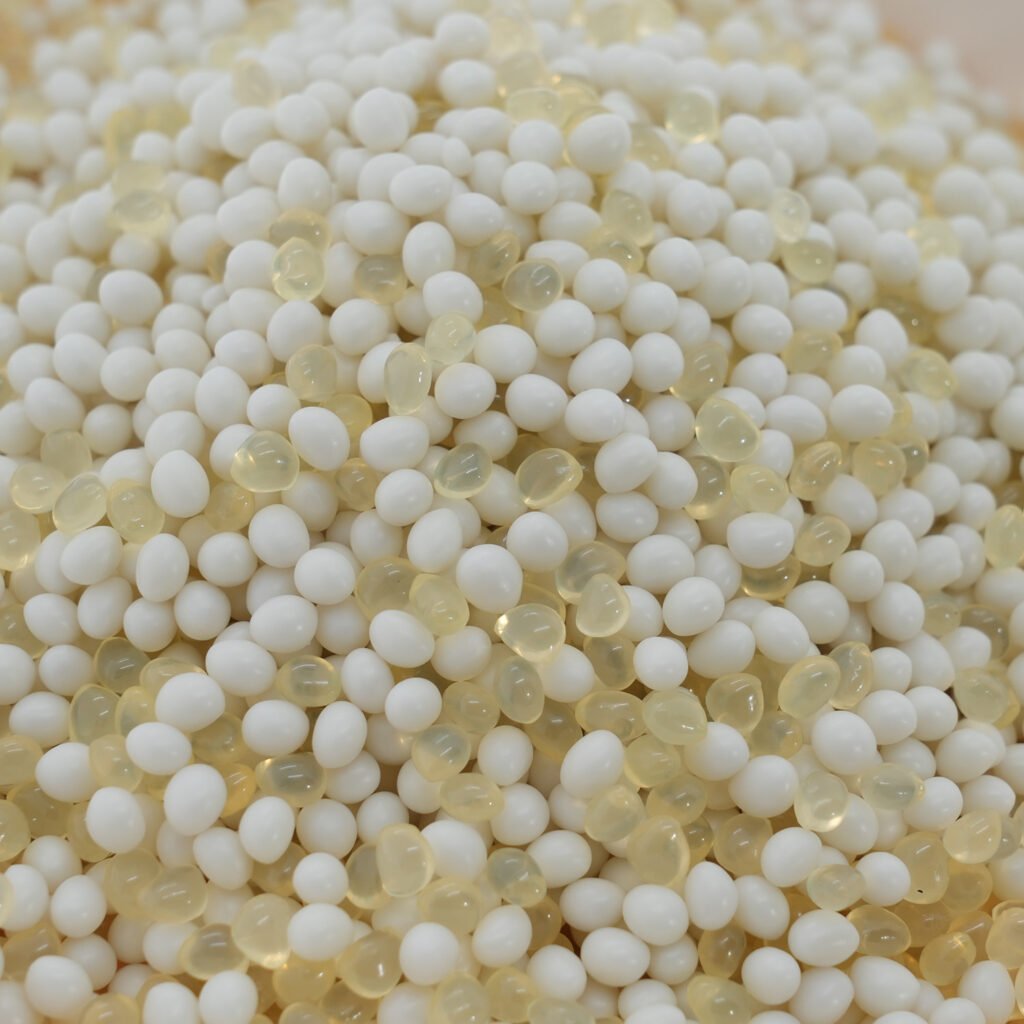
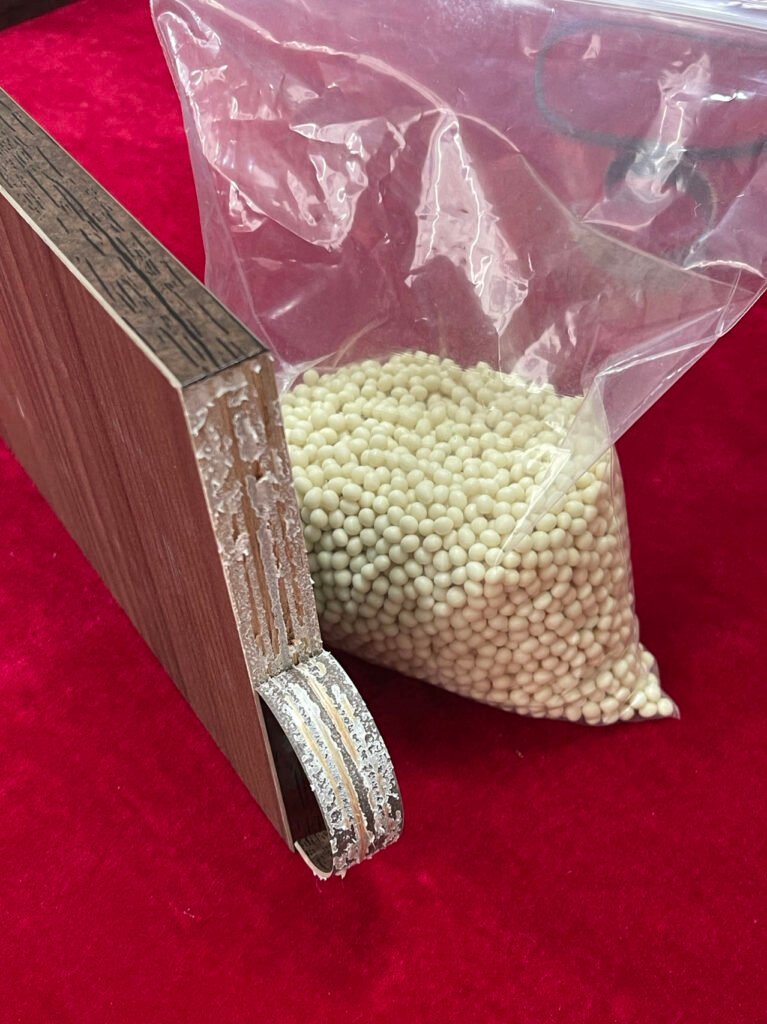
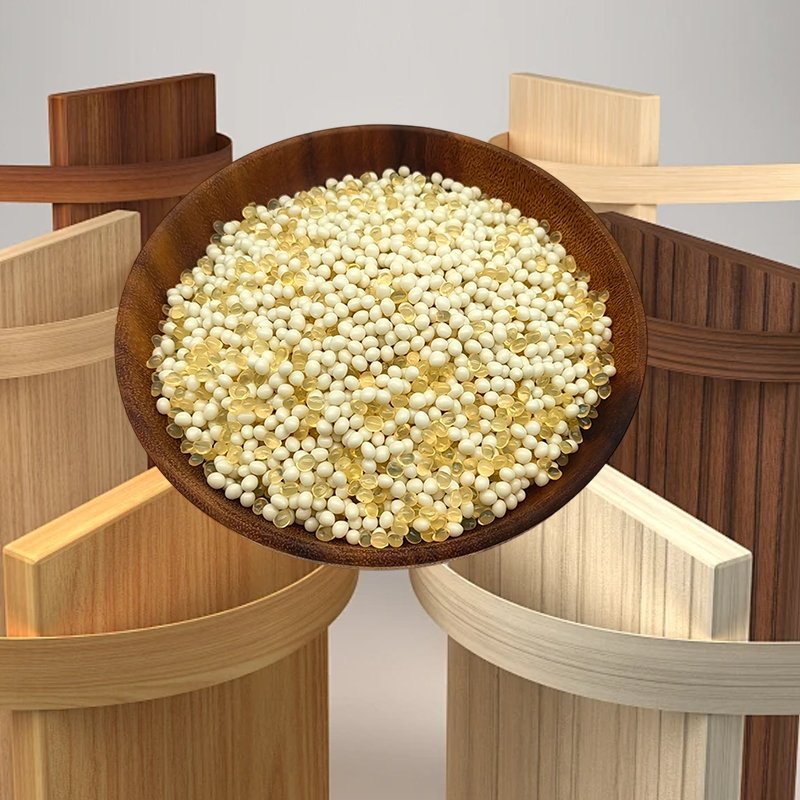
Edge banding glue is the invisible factor that will determine whether a furniture edge remains bonded for the life of the product or puffs up months after delivery. Our edge banding hot melt adhesives are formulated for use in automatic and semi-automatic edge banding machines and offer reliable bonding of PVC, ABS, veneer and melamine edge banding on MDF, particleboard and plywood.
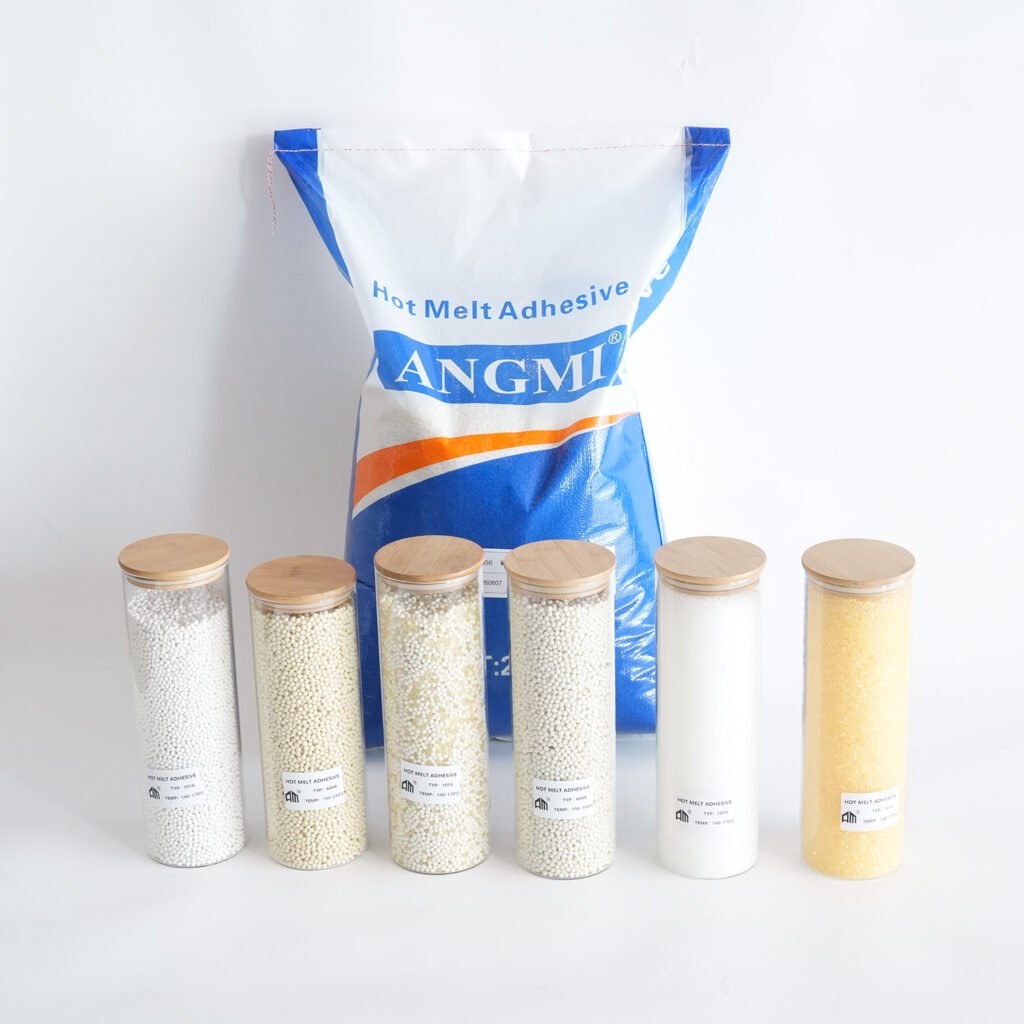
Our edge banding glue is available in both EVA and PUR formulations with a variety of open times, melt viscosities and colors. Formulated to meet your machine speed, panel material and performance needs from high-speed cabinet production to premium furniture manufacturing.
EVA or PUR: Choosing the Right Edge Banding Glue
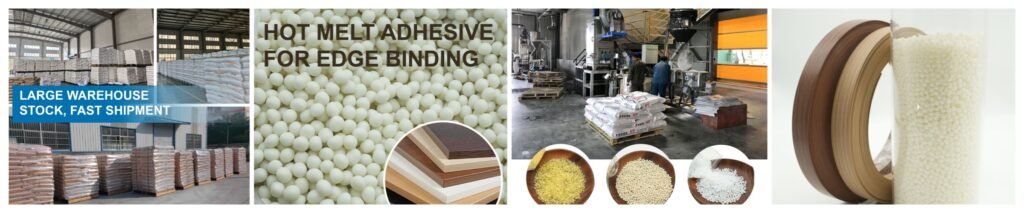
The first decision in selecting edge banding glue is the chemistry. EVA and PUR hot melts serve different performance requirements, and choosing the wrong one is a common cause of edge banding failure.
| Feature | EVA Edge Banding Glue | PUR Edge Banding Glue |
| Chemistry | Ethylene-vinyl acetate copolymer | Polyurethane reactive |
| Bonding mechanism | Physical cooling / solidification | Chemical cross-linking with moisture |
| Heat resistance | 60–80°C (softens at higher temps) | 120°C+ (cross-linked, thermoset) |
| Water resistance | Moderate | Excellent |
| Open time | 8–25 seconds (adjustable by grade) | 30–120 seconds (adjustable) |
| Cleanup | Re-meltable, easy to clean | Cured adhesive cannot be re-melted |
| Cost | Lower | Higher |
| Best for | Interior furniture, standard cabinetry | Exposed edges, humid environments, high-end furniture |
EVA is the workhorse of high-volume furniture production — fast, forgiving, and cost-effective for interior applications where extreme heat or moisture resistance is not required.
PUR is specified when the bonded edge will face temperature swings, humidity, or when the furniture is intended for premium or outdoor-adjacent applications (bathroom cabinets, kitchen panels near heat sources, contract furniture).
Edge Banding Glue Specifications
| Parameter | EVA Standard | PUR Standard |
| Base polymer | EVA (28% VA) | Polyurethane reactive |
| Melt viscosity @ 180°C | 15,000–25,000 mPa·s | 25,000–45,000 mPa·s |
| Softening point | 85–95°C | 100–110°C |
| Recommended application temp | 170–190°C | 120–140°C |
| Open time @ 20°C | 8–15 sec | 45–90 sec |
| Initial bonding strength | ≥ 2.5 N/mm² | ≥ 4.0 N/mm² (after cure) |
| Heat resistance (after cure) | 60–70°C | 120°C+ |
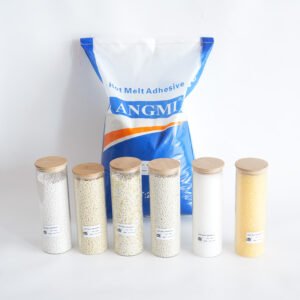
| Color options | Transparent, white, beige | Transparent, white |
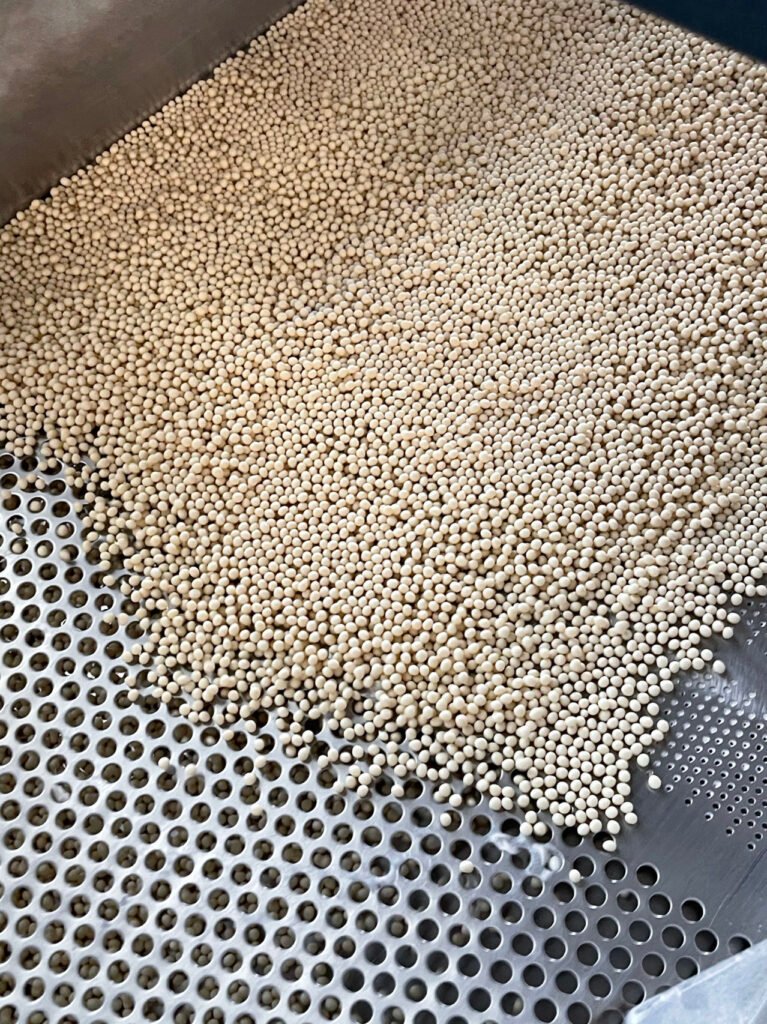
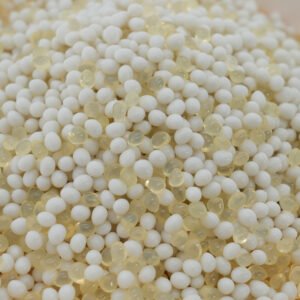
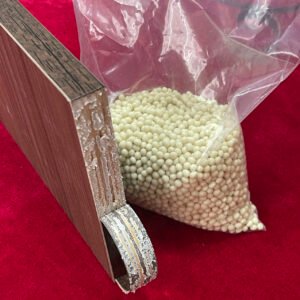
| Form | Granules / pellets | Granules / moisture-proof cartridges |
| Shelf life | 24 months (sealed) | 12 months (sealed, moisture-sensitive) |
| Packaging | 25kg bags, 500kg pallets | 25kg moisture-proof bags / 310ml cartridges |
| MOQ | 100 kg | 100 kg |
Custom viscosity, open time, and color formulations are available for production-line specific requirements.
Why Edge Banding Glue Selection Matters?
A delaminated edge band is one of the most visible and costly defects in furniture manufacturing. When edge banding separates from the panel, the result is not just an aesthetic problem — it exposes the raw board core to moisture, leads to customer complaints, returns, and warranty claims.
The root cause is often traced back to the adhesive:
- Wrong glue for the substrate— A glue formulated for smooth PVC may not bond well to porous wood veneer.
- Incorrect melt temperature— Too cold and the glue does not wet out the surface; too hot and it chars or becomes too fluid.
- Open time mismatch— If the glue sets before the edge band contacts the panel, the bond is weak from the start.
- Poor heat resistance— In kitchens or near radiators, EVA glue may soften and allow the edge to peel.
- Moisture exposure— In bathrooms or humid climates, non-water-resistant glue can fail over time.
Selecting the correct edge banding glue — and applying it at the right temperature and volume — prevents these failures at the source rather than addressing them in rework.
Performance Characteristics That Matter
Open Time
Open time is the window between glue application and when the adhesive sets enough that bonding strength drops. Longer open times are needed for wide panels, slow machines, or thick edge banding. Shorter open times improve throughput on high-speed lines. Our EVA grades range from 8 to 25 seconds; PUR grades from 30 to 120 seconds.
Melt Viscosity
Viscosity determines how the glue flows through the machine nozzle and how well it wets the edge banding surface. Too high and the glue stringing becomes excessive; too low and the glue squeezes out excessively during pressing. We match viscosity to your machine’s glue pot type and nozzle diameter.
Bonding Strength
Measured as peel strength and shear strength, bonding strength determines how much force is required to separate the edge band from the panel. Our EVA grades deliver ≥ 2.5 N/mm² initial shear strength; PUR grades reach ≥ 4.0 N/mm² after full moisture cure.
Heat Resistance
Critical for furniture exposed to sunlight, near heat sources, or in transit through hot climates. EVA softens at 60–80°C; PUR remains stable above 120°C after cross-linking.
Water and Moisture Resistance
EVA provides moderate resistance suitable for dry interior environments. PUR, once cured, forms a water-resistant bond suitable for bathroom cabinets, kitchen panels, and furniture in humid climates.
Color Stability
Edge banding glue is available in transparent, white, and beige to match the edge banding color and minimize visible glue lines. Transparent is the most versatile; white is preferred for light-colored PVC and melamine edges.
Compatible Edge Banding Materials and Panels
Edge Banding Materials
- PVC edge banding— The most common substrate. Both EVA and PUR bond well when the PVC surface is properly corona-treated or primed.
- ABS edge banding— Bonds well with both adhesive types; PUR recommended for high-end ABS applications.
- Wood veneer— Porous surface requires good glue penetration. EVA with longer open time or PUR is recommended.
- Melamine edge banding— Low surface energy may require primer. PUR generally provides better adhesion.
- Acrylic edge banding— Requires specialized adhesive; please consult our technical team.
Panel Substrates
- MDF— Smooth, dense surface; bonds well with all standard grades.
- Particleboard / chipboard— Porous surface; higher glue volume may be needed to fill surface voids.
- Plywood— Layered structure; ensure edge is sanded smooth before bonding.
- HDF / hardboard— Dense surface; standard grades perform well.
- Melamine-faced boards— The edge (raw board) bonds normally; the face is not bonded.
Get Compatibility for Your Material→
Machine Compatibility and Application Parameters
Edge banding glue is designed to complement the entire spectrum of automatic edge banding machines, from single-function machines to high-speed through-feed lines.
Recommended setup for EVA glue:
- Glue pot temperature: 170–190°C (depending on grade)
- Roller temperature: 180–200°C
- Panel feed speed: 10–30 m/min
- Glue application thickness: 0.1–0.2 mm
- Pressure roller pressure: 0.3–0.5 MPa
Recommended setup for PUR glue:
- Glue pot temperature: 120–140°C (PUR must not exceed 150°C)
- Panel feed speed: 8–25 m/min
- Glue application thickness: 0.08–0.15 mm
- Pressure roller pressure: 0.3–0.5 MPa
- Important:PUR equipment must be dedicated or thoroughly purged between EVA and PUR use
Machines Supported: Homag, Brandt, IMA, Biesse, SCM, Holz-Her, Stegherr, Felder and most of Chinese made edge banding machines.
For customers with volumes our technical team can provide machine specific parameter sheets and on site trouble shooting support.
Storage, Handling, and Safety
EVA Edge Banding Glue
- Store in sealed bags in a cool, dry area (5–30°C)
- Shelf life: 24 months from manufacture date when sealed
- No special ventilation required during application
- Clean equipment with hot melt cleaner or by reheating and wiping
PUR Edge Banding Glue
- Moisture-sensitive— must remain sealed until use
- Store in original moisture-proof packaging at 5–25°C
- Shelf life: 12 months from manufacture date when sealed
- Once opened, use within 48 hours (cartridges) or keep under nitrogen blanket (bulk)
- PUR equipment requires dedicated PUR glue pots to avoid cross-contamination
- Cured PUR adhesive is inert; uncured material should be handled per SDS guidelines
General Safety
- Hot melt adhesive operates at 120–200°C — use heat-resistant gloves and eye protection
- Ensure adequate ventilation in the production area
- Keep away from open flames and excessive heat sources
OEM, Custom Formulation, and Private Label
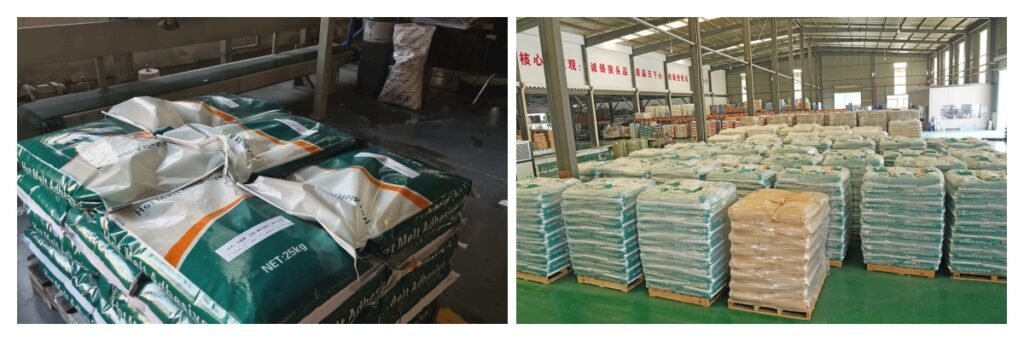
We manufacture edge banding glue for furniture factories, adhesive distributors and machine OEMs worldwide. Our formulation lab can custom produce grades to meet specific production needs.
Customization options:
- Custom viscosity for specific machine types
- Custom open time for high-speed or slow-feed lines
- Custom color matching to edge banding references
- Special additives for improved heat resistance, flexibility, or bonding to difficult substrates
- Private label packaging with customer branding
- Custom bag sizes (25kg) and pallet configurations
- Bulk tanker supply for high-volume customers
Production capacity:
- Multiple reactive extrusion and blending lines
- Daily output exceeds 10,000 tons
- Dedicated PUR production area with moisture-controlled environment
- In-house formulation and testing laboratory
Quality Control and Testing
Every batch of edge banding glue undergoes testing before release:
- Melt viscosity— measured at application temperature using a rotational viscometer
- Softening point— ring and ball method per ASTM E28
- Open time— measured under controlled temperature and humidity
- Bonding strength— lap shear test on standard MDF / PVC assembly
- Heat resistance— bonded samples aged at elevated temperature, then tested for bond retention
- Color consistency— compared to retained master batch under D65 lighting
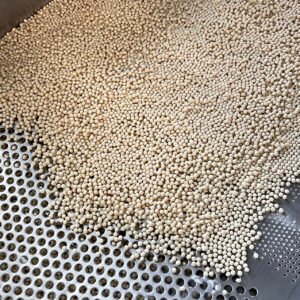
- Particle size— screened to ensure consistent melting in glue pots
- Moisture content— critical for PUR, tested by Karl Fischer titration
Sample Testing and Trial Process
Before committing to a volume order, we recommend a structured trial:
- Application survey— share your machine type, panel material, edge banding type, production speed, and performance requirements
- Grade recommendation— our technical team recommends 1–2 specific grades based on your application
- Sample shipment— 2–5kg sample of each recommended grade, shipped within 3 working days
- Machine trial— run the sample on your edge banding machine using our recommended parameters
- Performance evaluation— test bond strength, heat resistance, water resistance, and visual quality
- Adjustment if needed— refine formulation or application parameters based on trial results
- Volume order— lock in the approved grade and specification for production
For customers evaluating PUR for the first time, we can provide on-site technical support during the initial trial to ensure correct machine setup and PUR handling.
Frequently Asked Questions
What is the difference between EVA and PUR edge banding glue?
EVA is a thermoplastic adhesive which sets on cooling and can be re-melted. PUR is a moisture-curing reactive adhesive that cures to form a permanent bond that is resistant to heat and water. EVA is cheaper and easier to manipulate, PUR offers better performance in demanding applications.
Can I switch between EVA and PUR in the same glue pot?
No. PUR should be used in dedicated PUR glue pots. Cross contamination with EVA will cause the PUR to fail and may damage equipment. For a change from EVA to PUR, use a separate glue pot or purge and clean the system thoroughly.
What temperature should I run my glue pot at?
EVA: 170–190°C, depending on grade. PUR: 120–140°C – Do not exceed 150°C as this will lead to premature curing and degradation. Always consult the grade-specific TDS.
How much glue do I need per meter of edge banding?
Consumption is usually 30-80 grams/sq.m. of bonded edge, depending on the porosity of the panel, viscosity of the glue and thickness of application. This comes out at about 0.1 to 0.25 grams per linear meter for a 20mm edge on an 18mm panel.
How long does PUR take to fully cure?
PUR develops initial handling strength in 30–60 minutes and reaches full cure in 24–72 hours, depending on ambient humidity and temperature. Full cure is required for complete heat and water resistance.
Can edge banding glue be used for other applications?
We make our edge banding glue specifically for edge banding. We recommend application-specific adhesives for laminating, profile wrapping or assembly bonding, but it may bond other materials.
What is the shelf life of opened PUR glue?
Once a moisture-proof bag is opened, PUR should be used within 48 hours. For cartridge systems, opened cartridges can be stored for up to 1 week if the nozzle is kept clean and the cartridge is re-sealed.
Do you offer low-temperature EVA grades?
Yes, we offer EVA grades that apply at 150–160°C for heat-sensitive edge banding materials or machines with lower-temperature glue pots. Please inquire for availability.
Is your edge banding glue compliant with international standards?
Our EVA and PUR edge banding glues comply with REACH and RoHS regulations. Low-VOC and zero-formaldehyde formulations are available. Certification documentation is provided on request.
Source the Right Edge Banding Glue for Your Production Line
Whether you are running a high-speed cabinet line with EVA, switching to PUR for premium furniture, or need a custom formulation for a difficult substrate, we can supply consistent, machine-ready edge banding glue with technical support from trial through full production.
Send us your machine type, panel and edge banding materials, production speed, and performance requirements. We will recommend the correct grade, ship samples, and provide application parameters — usually within one working day.
Contact Us for Edge Banding Glue Samples and Pricing
WhatsApp: +86-13681945604
Email: emily.gu@angmigroup.com


James Carter –
Consistent performance on our edge banding machine, excellent bonding for furniture edge sealing, highly recommended!