



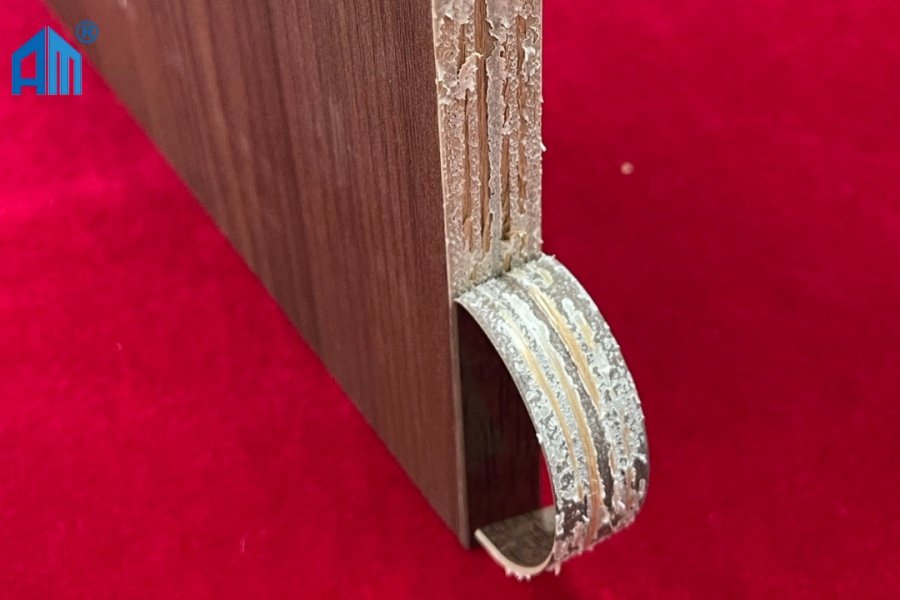
Why Is Edge Banding Peeling Off? 7 Common Causes and How to Fix It
The edge band peeling problem is fairly typical for furniture production particularly with PVC and/or ABS edge banding on MDF and particleboard type panels. May show up soon after edge banding or it can be caused by storage, shipping and everyday use.
What causes edge banding peeling even when the correct hot melt adhesive is used? Does the problem relate to the glue not being applied or the machine not being set up correctly, is it a problem with the material not being suitable, or the panel preparation is not correct?
Edge banding peeling does not occur for any single reason in most cases. A variety of factors can affect bonding performance: adhesive temperature, adhesive application, machine feed speed, pressure, substrate condition and surface treatment on edge bands.
Furniture manufacturers can use a knowledge of these factors to determine the correct cause of adhesion failure rather than making endless adjustments to adhesives and/or machine settings.
1. What Does Edge Banding Peeling Look Like?
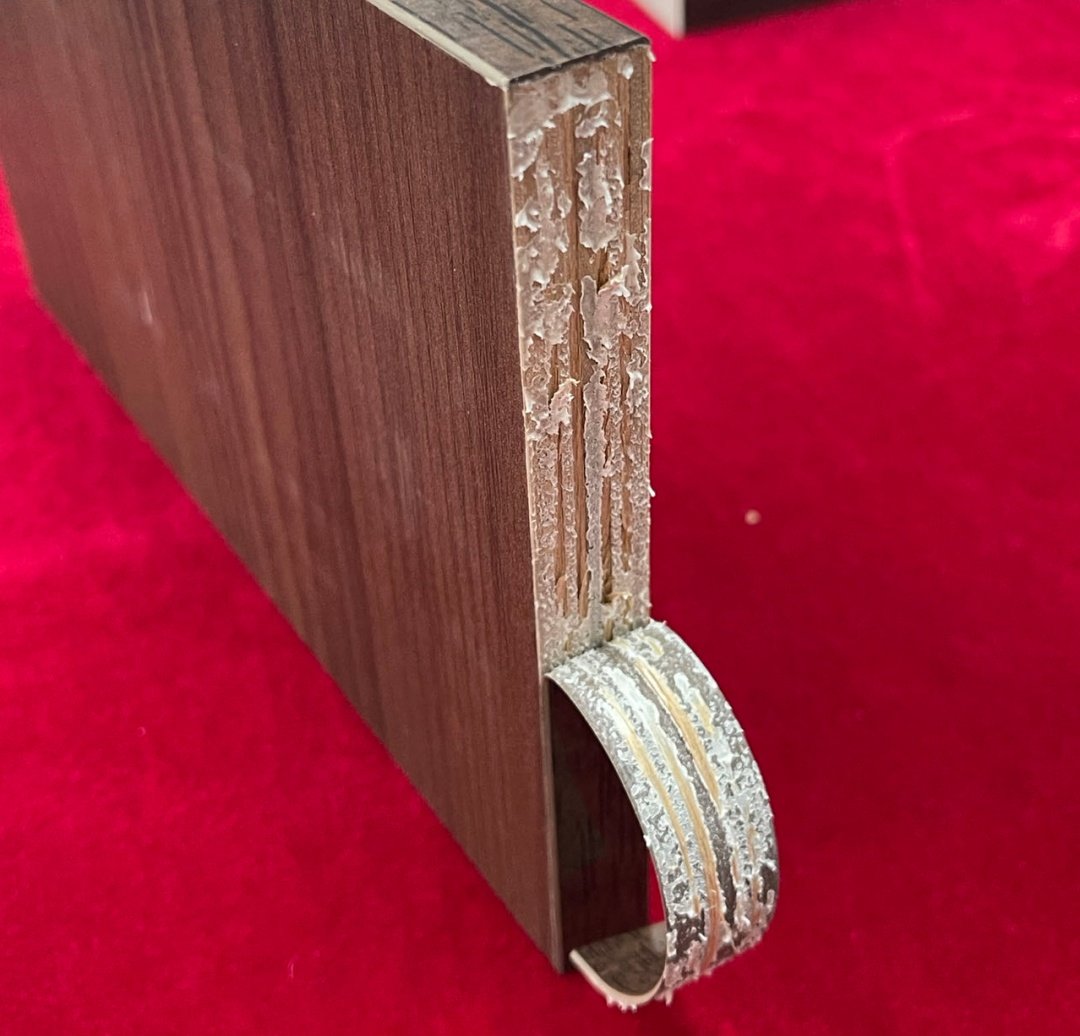
The first step in troubleshooting edge banding peeling is to recognize the symptoms of the problem. Various peeling patterns can give clues as to the failure site of the bonding process.
| Peeling symptom | Possible cause | First inspection point |
| Edge banding lifts shortly after application | Insufficient bonding or premature adhesive cooling | Adhesive temperature and open time |
| The entire edge banding strip comes off easily | Poor adhesive coverage or inadequate pressure | Glue application and pressure rollers |
| Small sections peel off intermittently | Uneven adhesive distribution | Application roller and glue flow |
| Corners or ends begin to lift | Inconsistent pressure or insufficient contact | Pressure roller alignment |
| Peeling occurs after storage or transportation | Weak initial bonding or material compatibility issues | Substrate, adhesive and storage conditions |
These symptoms are the beginnings of investigation, but not final diagnoses. The actual cause should be verified by examining the separated bonding surfaces and the production conditions.
2. What Causes Edge Banding to Peel Off?
1. Incorrect Hot Melt Adhesive Temperature
One of the most frequent causes affecting edge banding adhesion is the wrong temperature of the adhesive.
Hot melt adhesive must be heated to the right temperature to achieve a proper flow, wetting and bonding characteristics for application. If it is cooler than normal, the glue may not set up in the middle of the edge or glue down the edge banding. This can lead to poor bonding and attachment.
Too high of a temp can also be an issue. If exposure to high heat is too long, the adhesive properties can be altered, depending on the type of the adhesive and the length of time it is exposed to high temperatures.
The melting tank temperature shown is one important factor and may not be the same temperature at the application roller.
How to fix it:
- Test actual temperature of adhesive at application roller.
- Check the temperature range to the adhesive manufacturer’s technical data sheet (TDS).
- Check the heating system and temperature sensors.
- Do not keep hot melt adhesive at high temperatures for prolonged periods of time.
- Be sure the substrate and edge band is not too cold before use.
2. Insufficient or Uneven Adhesive Application
One of the primary causes of edge banding stripping is that the glue is not applied adequately or uniformly.
Hot melt adhesive need to provide a solid joint between the edge of the panel and the edge banding. However, if it is applied with too little glue, there are places that may not be covered. This forms weak bonding areas which may form peels when trimming, handling or using.
But it doesn’t mean that the more adhesive is used the better the bond will be.
Glue lines that are too thick, excess glue, poor appearance and unstable processing conditions can occur if excessive amount of glue is used. The proper amount of adhesive will vary with different adhesive formulations, product porosity, edge banding materials and machine set up.
How to fix it:
- Check if the application roller produces a uniform application of adhesive.
- Check if the roller grooves are clogged and/or if the surface has hardened than usual deposits of adhesive.
- Ensure the adhesive application weight is checked.
- Look at the pattern of glue that is left when a test piece is removed.
- Control glue application to meet supplier’s recommendations.
3. Incorrect Feed Speed and Open Time
Feed speed is directly related to application and bonding time for adhesion.
If the machine feed speed is too fast for the adhesive that is being used and the process parameters, the adhesive may not have enough time to form good adhesive contact with cooling.
Conversely, using an excessively slow feed speed can also be a problem if the adhesive does not reach the desired temperature prior to the edge banding being firmly set against the panel.
Thus, the relationship between the speed of feeding and adhesive open time is important. The fastest and the slowest setting isn’t always the ideal setting.
How to fix it:
- Check the recommended processing speed for the selected adhesive.
- Observe the time between adhesive application and pressure roller contact.
- Test different feed speeds while keeping other conditions consistent.
- Check whether the peeling problem changes when the production speed is adjusted.
For continuous production, record the machine speed and bonding results for each test instead of relying on visual inspection alone.
4. Insufficient or Uneven Pressure from Pressure Rollers

If the edge banding is not properly placed and/or pressure is not sufficient, it won’t make good contact with the panel.
Pressure rollers are used to apply pressure to the edge banding while it is still glued and bondable. If the pressure from the rollers is low, or if the rollers are not in alignment with each other, the pressure applied to some areas may be inadequate.
This can result in some peeling, open joints or easily removable hand edge banding.
How to fix it:
- Check the alignment of the main pressure roller.
- Inspect the secondary pressure zone.
- Verify that the rollers make consistent contact along the panel edge.
- Check for worn, damaged, or contaminated rollers.
- Confirm that the panel is properly guided into the edge banding machine.
Please adjust pressure based on machine and adhesive recommendations. Too much pressure should also be avoided as it can cause some of the edge banding to fall out or too much glue out.
5. Dust, Roughness or Unevenness on the Panel Edge
MDF / particleboard edges may be covered in machining dust, loose fibres, damaged edges or even being uneven. These defects, if left uncorrected prior to edge banding, can cause the bond to form with dust or loose particles, instead of a stable substrate.
If there is an uneven edge on one of the panels, it may cause uneven adhesive-to-substrate contact.
It is especially relevant in high volume furniture manufacturing where the slight differences in the process may result in different edge banding performance products..
How to fix it:
- Check whether the panel edge is clean before bonding.
- Inspect the milling or cutting process for roughness and chipped areas.
- Remove dust and loose particles before edge banding.
- Check whether the panel edge is straight and properly machined.
- Keep the edge banding machine and work area clean.
Changing to a stronger adhesive will not necessarily solve a problem caused by poor panel preparation.
6. Poor Compatibility Between Edge Banding and Adhesive
The material properties and surface properties of PVC, ABS and melamine edge banding are different. Adhesive should match the type of edge banding and durable enough for the material to be used.
The reverse side of the edge banding is of particular note. Some products require a priming or other surface treatment for better bonding. Alternatively, if the treatment is missed or inconsistent, it is contaminated or is not appropriate for the adhesive that may cause peeling despite proper machine settings.
This may manifest itself if edge banding is changed, product batches or adhesive types are changed.
How to fix it:
- Make sure the adhesive is compatible with the chosen edge banding material.
- Check whether the back surface has the required primer or bonding treatment.
- Inspect the back of the edge banding for contamination or surface defects.
- Compare the results of different material batches.
- Carry out a bonding test whenever a new supplier or material specification is introduced.
If it is decided that the furniture manufacturer needs to change the adhesive system or switch to a different edge banding supplier, it is important to check whether the new materials will be compatible with the current one.
7. Improper Storage and Material Conditioning
Another cause of edge banding peeling is the improper storage method.For instance, if edge banding is kept in a cold warehouse and moved directly into a hot processing area, it might not be immediately at an acceptable processing temperature. In addition, cold panels are able to cool the adhesives during bonding much faster.
Furthermore, hot melt adhesive may be susceptible to contamination or even over heating, if it is not stored, evaluated and prepared properly, as well as upon repeated production interruption.
How to fix it:
- Store edge banding and hot melt adhesive in accordance with supplier recommendations.
- Allow materials to reach appropriate workshop conditions before processing.
- Keep adhesive containers protected from contamination.
- Avoid unnecessary prolonged heating of hot melt adhesive.
- Record storage and production conditions when investigating repeated adhesion problems.
3. How to Identify the Actual Cause of Edge Banding Peeling
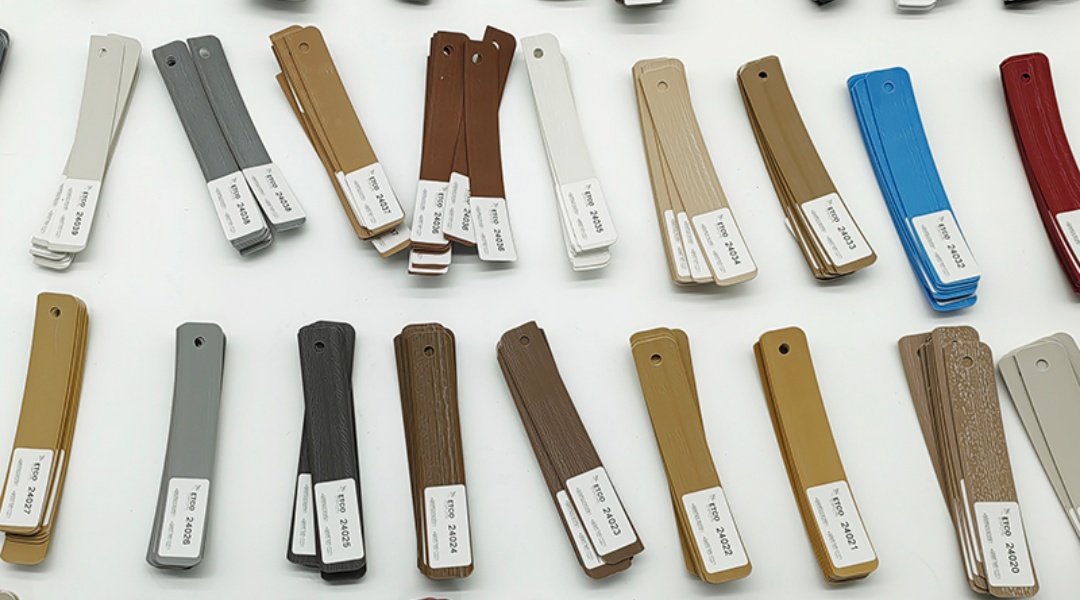
Where the adhesive residue has been found can give valuable clues to the failure.
| What you observe after peeling | Possible interpretation | What to investigate |
| Adhesive remains mainly on the panel; the edge banding back is relatively clean | Weak bonding at the edge banding–adhesive interface | Back-side treatment, primer and material compatibility |
| Adhesive remains mainly on the edge banding; the panel edge is relatively clean | Weak bonding at the adhesive–panel interface | Panel dust, substrate temperature and adhesive wetting |
| Glue coverage appears incomplete or uneven | Insufficient or inconsistent adhesive application | Application roller, glue flow and application weight |
| Adhesive splits within the glue layer | Possible cohesive failure within the adhesive | Adhesive condition, application temperature and process compatibility |
4. How to Prevent Edge Banding from Peeling Off?
This implies that there is a need for careful control of materials, equipment and processing conditions to prevent peeling of the edge band.
| Inspection item | What to check | Recommended action |
| Adhesive | Temperature, condition and compatibility | Follow the adhesive TDS |
| Glue application | Coverage and application weight | Maintain a uniform glue layer |
| Feed speed | Compatibility with open time | Test and record suitable speeds |
| Pressure rollers | Alignment and contact | Inspect regularly |
| Panel edges | Dust, roughness and flatness | Clean and prepare before bonding |
| Edge banding | Back-side treatment and material condition | Verify supplier specifications |
| Storage | Temperature, contamination and handling | Follow storage recommendations |
When a peeling problem occurs, avoid changing several parameters simultaneously. Instead, record the original machine settings, change one variable at a time, and compare the results using the same substrate and edge banding material.
This controlled approach makes it easier to identify the actual cause and maintain stable production quality.
5. Frequently Asked Questions About Edge Banding Peeling
Conclusion
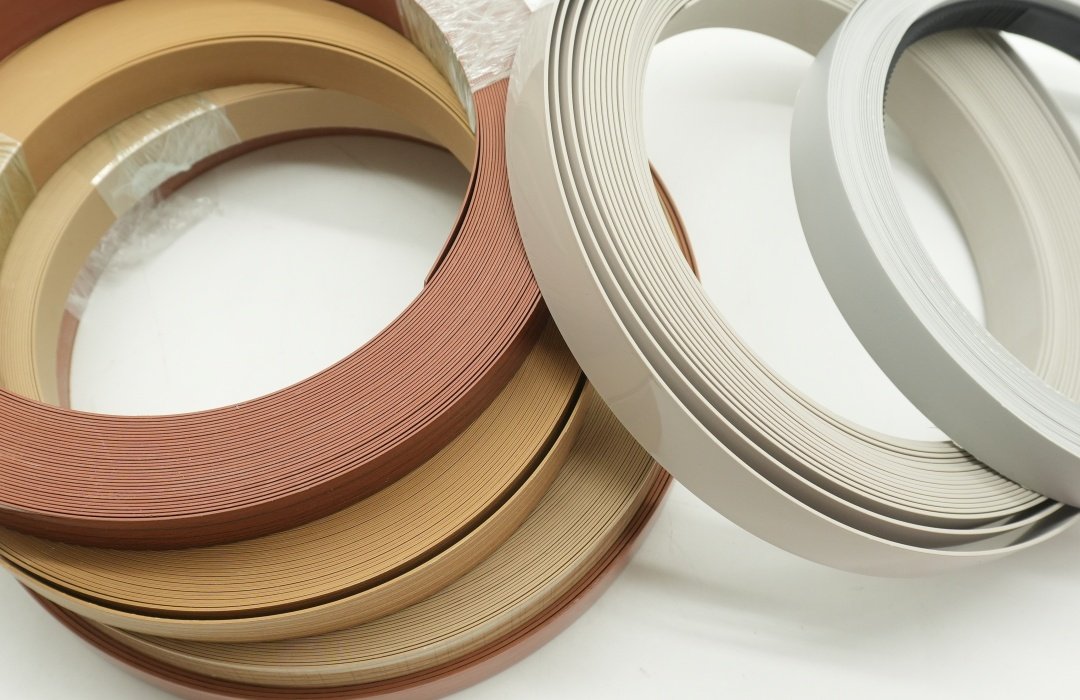
Edge banding peeling is rarely caused by a single factor. Adhesive temperature, glue application, feed speed, pressure rollers, panel preparation, material compatibility, and storage conditions can all affect bonding performance.
Choosing suitable PVC or ABS edge banding and compatible hot melt adhesive is important, but consistent processing conditions are equally essential for achieving reliable edge banding adhesion.